
Cat Memory: 8 Facts Scientists Have Found
8 scientific facts about cat memory: 16-hour spatial memory, face recognition, trauma memory, cognitive dysfunction syndrome and impact of training on memory.
 Bekir Aydoğan
1 May 2026
3 min read
Bekir Aydoğan
1 May 2026
3 min read
AI-Powered
AI Summary — No time to read? Get the gist in 30 seconds.
Cat memory is being illuminated by scientific research. Their short-term spatial memory can extend to 16 hours, they recognize human faces at 54%, and they store both trauma and positive experiences for years. Scent-based memory is their strongest sensory memory. Cognitive dysfunction syndrome can appear with age. Training and mental stimulation strengthen memory and slow down age-related cognitive decline. Karamel recognizing you and remembering routines isn't coincidence — it's a scientific skill.
Does your cat Buddy remember three days later that you gave fish at breakfast? Yes — and moreover, at breakfast time goes to the kitchen and starts watching you. Cat memory has long been an area where myth and reality mix. Scientists have made striking findings on this topic in the last 15 years. Cats may not match dogs in emotional memory, but they don’t fall behind in spatial and historical memory. Here are 8 scientific facts.
1Their short-term memory can last up to 16 hours.
Research at Tokyo University in 2006 showed that cats can still remember a bowl where food was hidden 16 hours later. Dogs’ performance in this period was approximately 5 minutes. Cats have advanced short-term spatial memory to answer the question “what happened recently in this area” with hunter instinct. Pamuk still remembering the box you covered three hours ago is no coincidence.
2They remember human faces — but selectively.
Kyoto University’s 2021 study confirmed that cats distinguish familiar human faces from strangers. However, they are not as face-focused as dogs — they combine smell, voice and walking pattern. Recognition rate of family members returning years later is around 54%. So if you’re worried “did my cat forget me”: it didn’t, but it remembers little details that make you unique.
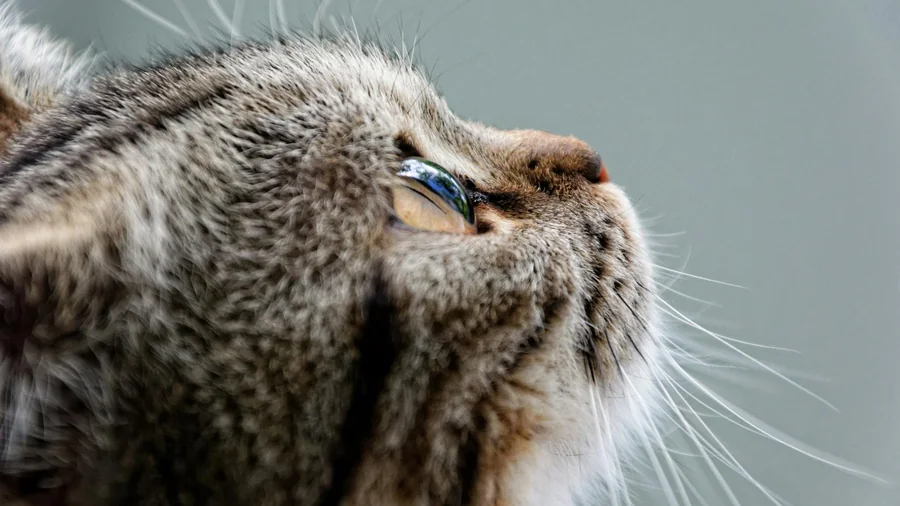
3They store good and bad experiences for a lifetime.
If you took a cat to the vet with difficulty once, when it sees the next carrier it hides — because their associative memory is strong. Cornell University study showed traumatic experiences can create fear response even 2 years later. Similarly, positive reinforcement is also remembered for a long time. Leo recognizes the sound of biscuit package you take out every time he sits on lap, even 5 years later.
4They can remember other cats for years.
When two cats raised in same home are separated and meet again months later, they usually recognize each other with a brief sniff phase. University of Illinois social memory tests showed sibling cats separated for 2.5 years recognized each other at 80%. This recognition is scent-based — not visual. So when your old cat returns home, it does scent scan first.
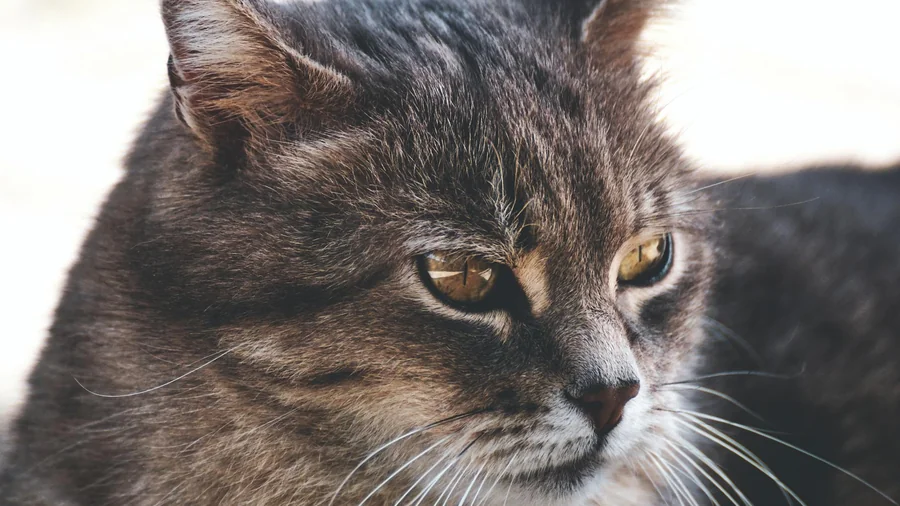
5They learn play rules and object locations.
The feature called episodic-like memory also applies to cats. They learn which box a toy is hidden in, which room their favorite scratching place is, and remember it for weeks. Kyoto University 2017 study proved cats remember correctly 15 minutes later “which feed they ate from which bowl.” When you disrupt their routines, this memory trace is exactly what they’re looking for.
6They can experience cognitive decline with age.
A condition similar to human Alzheimer’s: “Cognitive Dysfunction Syndrome” (CDS) in cats is seen in 55% of cats over 11 years. Symptoms: frequent howling, confusion of toilet area, looking lost, sleep pattern disruption. Early nutrition support (omega-3, antioxidants) and mental stimulation slow the process. An age sign that should not be neglected.

7Scent-based memory is their strongest sensory memory.
The 200 million scent receptors in cats’ noses (5 million in humans) provide them a “scent-based” world map. They store the scent of a home, owners’ scent, other animals’ scent like “memory files.” When you move, 2-4 weeks of adaptation is needed because old scent map is erased and new one forms. Spreading your own blanket first in new home accelerates this transition.
8Memory can be strengthened with training.
The myth “cats can’t be trained” is now scientifically refuted. Simple commands (sit, come, give paw) can be taught with clicker training in 2-3 weeks. Regular training; not only behavior but also strengthens long-term memory. For aging cats, mental exercise reduces CDS risk. A 5-minute daily play-training session with Caramel is an investment that benefits her throughout her life.
In summary,
Cats, contrary to the myth of “forgetful, careless,” actually have strong and selective memory. They can store loved ones, routines and environmental signs for many years. Providing them regular mental stimulation, safe environment and positive reinforcement — protects not only today but their mental health 10 years from now. Look into your cat’s eyes: the intelligence you see there is a scientific reality.
Frequently Asked Questions
Kediler sahiplerini ne kadar süre hatırlar?
Bilimsel çalışmalar kedilerin tanıdık insanları yıllar sonra bile tanıyabildiğini gösteriyor. Koku, ses ve görsel ipuçlarının birleşimiyle tanıma sağlanıyor. 2-3 yıl ayrılık sonrası yeniden karşılaşmalarda tanıma oranı yüzde 50'nin üzerinde. Küçük yaşta sosyalleştirilmiş kediler bu hafızayı daha güçlü tutuyor.
Kediler travmatik deneyimleri unutur mu?
Hayır. Kediler tek seferlik bir korku deneyimini bile çok uzun süre hafızada tutabiliyor. Örneğin bir kez zor veterinere götürüldüğünde transport kutusunu gördüğünde saklanma davranışı sergileyebiliyor. Bu nedenle pozitif pekiştirme ve sakin taşıma alışkanlığı küçük yaştan itibaren kazandırılmalı.
Yaşlı kedilerde hafıza kaybı nasıl anlaşılır?
11 yaş üstü kedilerin yüzde 55'inde bilişsel disfonksiyon sendromu görülüyor. Belirtileri arasında sık uluma, tuvalet yerini karıştırma, aşırı uyku değişikliği, kaybolmuş gibi davranma ve sahipleri tanımakta zorlanma var. Erken teşhis ile omega-3 destekli beslenme ve zihinsel uyarım süreci yavaşlatıyor.
Kediler kendi isimlerini hatırlıyor mu?
Evet. 2019 yılında Japonya'da yapılan bir çalışma, kedilerin kendi isimlerini diğer sıradan kelimelerden ayırt ettiğini gösterdi. Tanıdık bir sesle adları çağrıldığında kulaklarını oynatma veya bakış atma gibi tepkiler veriyorlar. Ancak köpekler kadar 'çağrıyı gelme olarak' algılamıyorlar.
Kedilerin hafızası köpeklerden iyi mi?
Alanına göre değişir. Mekânsal kısa süreli hafızada kediler köpeklerden üstün — yiyeceğin nereye saklandığını hatırlama testlerinde 16 saat sonra bile başarılılar. Ama sosyal ve duygusal hafızada köpekler daha iyi. Genel olarak iki tür farklı amaçlar için farklı hafıza türleri geliştirmiş.