
Cat Parasite Control: 12 Facts About Internal and External Parasites
12 facts on cat parasite control: internal and external parasites, Dirofilaria and Leishmania risk in Turkey, Toxoplasma truth, natural method myths and 2026 parasite budget guide.
 Bekir Aydoğan
25 April 2026
4 min read
Bekir Aydoğan
25 April 2026
4 min read
AI-Powered
AI Summary — No time to read? Get the gist in 30 seconds.
Cat parasites threaten indoor and outdoor cats equally. Roundworm, fleas, ticks, ear mites, Giardia and Toxoplasma are the main risks. In Turkey, Dirofilaria (heartworm) and Leishmania are serious in endemic regions. Internal parasite control every 3 months and external parasite protection monthly are standard. Natural methods don't work; veterinarian-prescribed products are required. In 2026, the annual parasite budget is 2,000-4,000 TL; treatment cost can be 10× higher.
Cat parasites — topic no one likes talking about but every cat encounters at least once in their life. Internal parasites, external parasites, hidden carriers, transmission routes, treatment options. We’ve turned this area that confuses both new adopters and experienced owners into clear guide in 12 points. Here are facts you need to know about cat parasite control.
1Even indoor cats have parasite risk.
Imagine vets hearing the sentence “My Pamuk never goes outside, where would parasites come from?” 50 times a week. Truth is: parasite eggs easily enter home on shoe soles, in vegetables from market, on flies entering through window. About 15-20% of indoor cats test positive for internal parasite. Even cat that doesn’t go out should have internal parasite protection at least every 3 months.
2Roundworm is most common parasite in kittens.
Vast majority of kittens are born with roundworm (Toxocara cati) from mother or via milk. Symptoms: distended belly, appetite changes, weak coat, slow growth, sometimes worms in vomit. Zoonotic — also passes to humans, can cause “visceral larva migrans” in eye especially in children. Worm medication every 2 weeks from 2 weeks old in kittens essential.
3Flea is not single parasite, but ecosystem problem.
If you saw one flea, there are at least 100 in home. Fleas don’t just suck cat’s blood; they’re carriers of other parasites like tapeworm. Also cause allergic reaction called “flea allergy dermatitis” with extreme itching-wounds. Treatment should cover not just cat but whole home: cat + bed + carpet + furniture should be treated.
4Tick is serious health threat in Turkey.
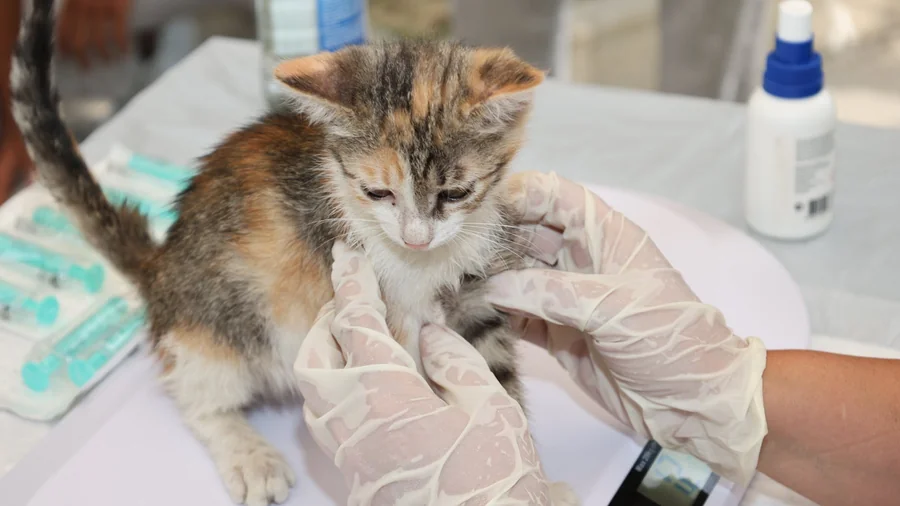
Especially in Central Anatolia and Black Sea region, ticks carrying “Crimean-Congo Hemorrhagic Fever” common. Cat is not source of tick parasite for ticks but can carry tick to your home. Also their own ticks (Ixodes species) cause anemia and some bacterial infections. Monthly tick protection essential for outdoor cats; vet should determine which medication on market best for combat.
5Ear mite (Otodectes) very common in cats.
Cat constantly shaking head, scratching ears, brown-black “coffee grounds”-like discharge in ear has 90% probability of having ear mites. Extremely contagious; if other cats in home, all get infected. Treatment usually easy (vet prescribes drops) but if late can turn into ear infection and hearing loss. Every infected cat must be treated.
6Giardia and coccidia especially dangerous in kittens.
Single-celled parasites (protozoa) not treated with routine worm medications. Giardia and coccidia cause persistent diarrhea, weight loss, dehydration risk in kittens. Spreads quickly in multi-cat environments. Stool test required for diagnosis. If you adopted kitten and it has diarrhea, go to vet from first day; don’t wait, dehydration in kittens can be fatal within 24 hours.
7Mediterranean leishmaniasis common in dogs, rare but exists in cats.
Leishmania, parasite carried by sandflies. Endemic in Turkey’s Mediterranean and Aegean coasts. Common in dogs but can also be seen in cats; case numbers increasing in recent years. Symptoms: skin wounds, hair loss, weight loss. Diagnosis requires expert. For owners on coast, fly repellent, taking cat indoors at risky hours (sunset-morning) important precaution.
8Toxoplasma — headache of pregnant owners.
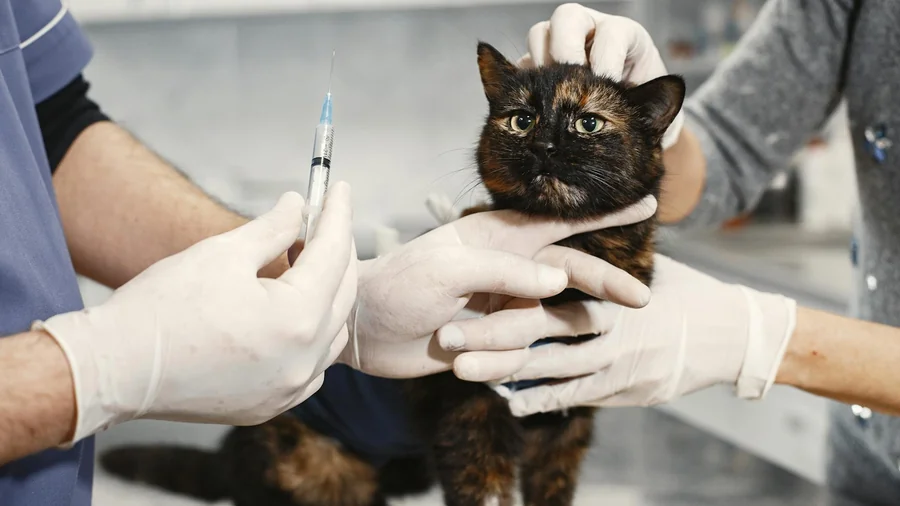
True that Toxoplasma gondii parasite uses cats as “definitive host,” but commonly known story “if you have cat, danger in pregnancy” is exaggerated. Transmission risk much higher from eating raw meat or improperly washed vegetables. Sufficient precaution for pregnant owner: someone else cleaning litter box, not touching litter without gloves. Removing cat from home not necessary at all.
9Dirofilaria (heartworm) treatment very difficult in cats.
Heartworm carried by mosquitoes treatable in dogs — but in cats treatment very risky, in most cases treatment endangers animal’s life. So “protection” is only option. In Turkey, heartworm endemic regions are Mediterranean, Aegean coasts. Monthly Dirofilaria protection essential between May-October. Precaution owners with windows open in summer shouldn’t neglect.
10“Spot-on” drops and tablets target different parasites.
Different active ingredients on market: selamectin, fipronil, imidacloprid, afoxolaner, sarolaner. None is “all-solving” medication. Some medications very good against flea-tick, weak against internal worms; some opposite. Specific product should be chosen with your vet according to your cat’s lifestyle (indoor-outdoor, age, weight, region). “My neighbor uses” advice can lead to wrong medication.

11Natural “homemade” parasite medications don’t work.
“Natural” solutions like “garlic parasite treatment,” “vinegar bath,” “lemon spray” exist on internet — and some are toxic to cats. Garlic causes anemia in cats. Tea tree oil causes liver toxicity in cats. Parasite protection requires serious vet medications; no natural alternative. Person saying “I’m looking for natural solution” needs to take parasite control seriously.
12Annual parasite budget in Turkey is between 2,000-4,000 TL.
In 2026, average cat’s annual parasite protection cost: internal-external parasite + Dirofilaria + Leishmania (by region) between 2,000-4,000 TL. This cost multiplies in multi-cat homes. But treatment budget can be 10 times this — single flea infestation can cost 5,000-10,000 TL with home treatment, carpet cleaning, home disinfection. Protection always cheaper than treatment.
The essence is this:
Cat parasite control is not one-time job; ongoing protection cycle for all cats regardless of indoor-outdoor distinction. Internal parasite every 3 months, external parasite (flea-tick) monthly, Dirofilaria seasonal protection, annual stool test and regular vet check should be standard routine. Don’t waste time with natural methods; vet-prescribed products protect cat and you. A good parasite calendar is silent but most effective protector of your cat’s life quality.
Frequently Asked Questions
Ev kedisi parazit ilacı almalı mı?
Evet, dışarı hiç çıkmayan kediler bile iç parazit riski altındadır. Parazit yumurtaları ayakkabı altı, pazardan gelen sebze, pencereden giren sinek aracılığıyla eve girer. Türkiye'de ev kedilerinin %15-20'si iç parazit pozitif çıkıyor. Ev kedileri için her 3 ayda bir iç parazit ilacı, yılda 2 kez dışkı testi tavsiye edilir. Dış parazit ilacı ise yaz aylarında önerilir.
Yavru kediye ne zaman parazit ilacı verilir?
Yavru kedilerde parazit ilacı 2 haftalıkken başlar ve 8 haftaya kadar her 2 haftada bir tekrarlanır. 8-16 hafta arası ayda bir verilir. Yavrular genellikle anneden bulaşan yuvarlak solucan ile doğar; erken tedavi şart. Protozoa enfeksiyonları (Giardia, coccidia) için dışkı testi yapılmalı ve farklı ilaçlar kullanılmalı. Yavru ishal durumlarında asla evde ilaç vermeyin, veterinere götürün.
Pire ilacı evde aileye zararlı mı?
Modern kedi pire ilaçları (spot-on damlalar) kediye özel formülasyondadır ve doğru uygulandığında insanlara zarar vermez. Uygulamadan sonra 12-24 saat temas önerilmez; çocukların kediyi o süre boyunca sevmemesi gerekir. Köpek pire ilacını (permetrin içeren) kediye asla uygulamayın — kedilerde ölümcüldür. Her zaman kedilere özel ürün ve veterinerin önerdiği doz kullanın.
Kedi kumunu temizlerken nelere dikkat etmeli?
Kedi kumu Toxoplasma ve diğer parazit yumurtaları taşıyabilir. Her temizlikte tek kullanımlık eldiven kullanın, sonrasında ellerinizi sabunla yıkayın. Hamile kadınlar kumluğu başka birine temizletmeli. Kumluğun kendisi haftada bir sıcak suyla temizlenmeli, ayda bir tamamen boşaltılıp dezenfekte edilmeli. Dışkı 24 saat içinde enfekte olmaz ama beklerse risk artar; günlük temizlik standart olmalı.
Parazit ilacını veteriner reçetesi olmadan alabilir miyim?
Türkiye'de bazı parazit ilaçları eczane ve pet shoplarda reçetesiz satılır ama doğru ürün seçimi için veteriner önerilir. Yaş, kilo, yaşam tarzı, bölge (Leishmania, Dirofilaria endemik mi) ve diğer ilaç kullanımı doğru ürünü belirler. Yanlış ilaç etkisiz kalabilir veya toksik olabilir. Özellikle yavru, hamile veya kronik hastalıklı kedilerde kesinlikle veteriner yönlendirmesi şart.