
Cat Kidney Failure: 9 Early Warning Signals
9 early warning signs of cat kidney failure: water consumption, urination frequency, weight loss, coat changes, uremic breath. SDMA test, genetic breed risks and survival impact.
 Bekir Aydoğan
26 April 2026
4 min read
Bekir Aydoğan
26 April 2026
4 min read
AI-Powered
AI Summary — No time to read? Get the gist in 30 seconds.
The 9 early warning signs of feline kidney failure: increased water intake, frequent urination, weight and muscle loss, loss of appetite-vomiting, coat deterioration, uremic breath. Breeds like Persian and Maine Coon carry genetic risk. The SDMA test detects the disease at 40% damage; from age 7, annual screening should be standard. With early diagnosis, kidney diet, fluid support and medication management can deliver 2-5 years of quality life.
Cat kidney failure — always at top of death cause list in older cats in Turkey. Most insidious aspect: when symptoms appear, 70% of kidney is already damaged. If caught early, 2-5 years of quality life possible; if caught late, may have few months left. Here are 9 early warning signals every cat owner must know and life-saving observation guide.
1Increase in water consumption is first and most important sign.
A healthy cat consumes 40-60 ml water per kilo daily. For 4-kilo Buddy, this is 160-240 ml; about 1 cup. If your cat suddenly starts drinking more water, standing impatiently next to water bowl, going to sink or shower — pay attention. This excessive thirst called “polydipsia” is earliest and most missed sign of kidney failure. Track ml of water you put in bowl for one week.
2Urine amount and frequency increase.
Because kidneys can’t concentrate urine, more dilute and more urine comes out. Going to litter box more frequently, growing urine clumps in litter, sometimes urine escaping outside litter is seen. Owners often interpret this as “litter box small, let’s get another.” Whereas this “polyuria” is sign of kidney disease. Note how many times per day going to pee for 2-3 days.
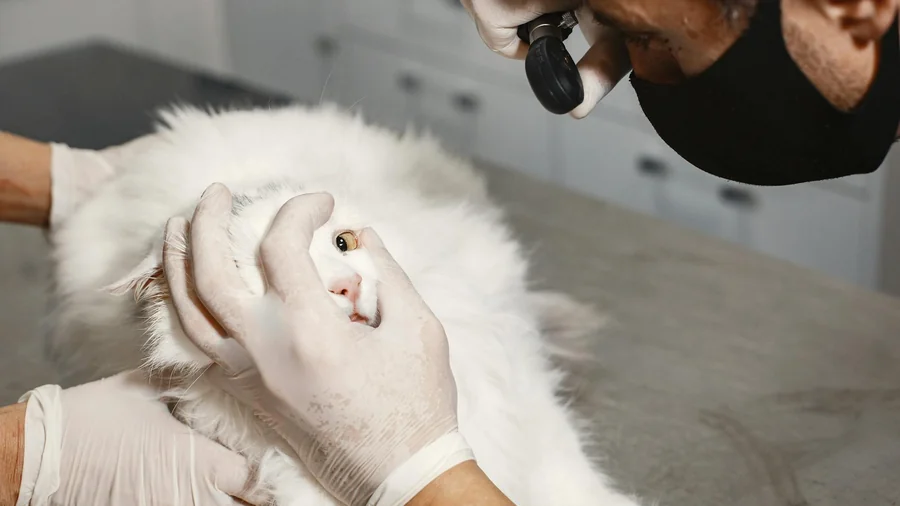
3Weight loss and muscle wasting progress silently.
In kidney failure, body can’t use protein efficiently; especially back and hip muscles begin to waste. Even if cat eats same food, loses weight. If running hand on back you feel more prominent bones than before, vertical spine line visible, wake up. Twice yearly vet weighing, monthly home weighing (you can calculate by weighing cat in lap on kitchen scale then subtracting yourself) provides early detection.
4Vomiting and loss of appetite are upper-stage signs.
When kidney can’t filter, toxins accumulate in body. This shows itself as nausea and vomiting. First skipping breakfast, then turning nose at lunch, then standing in front of food bowl and running away. Most owners try new food thinking cat “didn’t like the food”; whereas advancing kidney disease suppresses appetite. Refusing food more than 24 hours is serious for cat — hepatic lipidosis risk starts.
5Coat deterioration and decrease in grooming draws attention.
Cats are obsessive-compulsive cleaners; coat care is at center of their lives. Cats whose coat suddenly becomes dull, unkempt-dandruffy, who stop washing are usually sick. When kidney failure combines with dehydration, cat’s energy level drops; self-care drops. When you say “my cat Pamuk doesn’t wash anymore,” remember it might not be just laziness, but physiological condition.
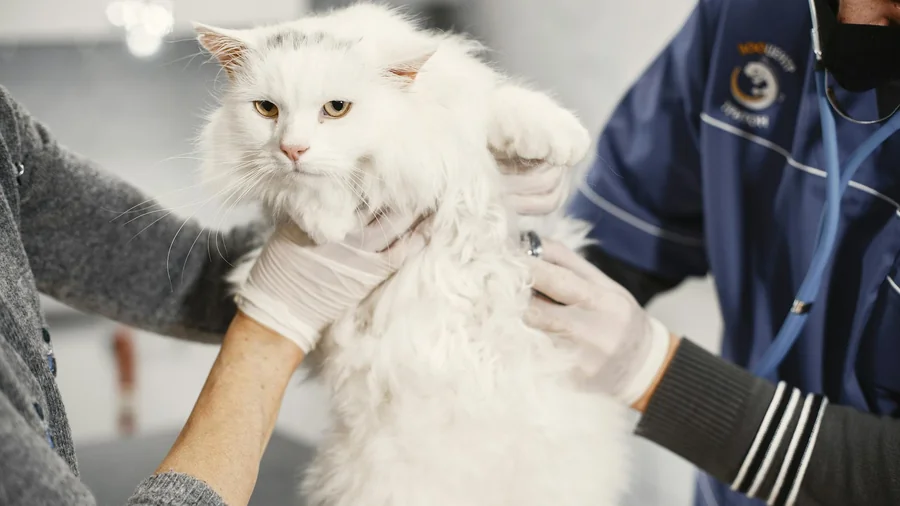
6Mouth odor becomes sharp and ammonia-like.
Accumulation of urea in body changes mouth odor seriously; “uremic breath” forms, sharp, chemical, ammonia-like odor. Don’t skip with “cat mouth odor is normal”; normal cat breath is mildly fishy, sharp chemical odor not normal. While doing mouth check also look for paling of gum color, mouth ulcers on tongue — these advanced stage signs.
7Genetic risk obvious in certain breeds.
In breeds like Persian, Himalayan, Maine Coon, Abyssinian, polycystic kidney disease (PKD) is genetically seen at high rate. About one-third of Persians have PKD. If you have cat from these breeds, do annual kidney panel (blood-urine) and ultrasound screening from age 5. Also request DNA test certificate when buying kitten — prevents disappointment to occur later and treatment burden.

8SDMA test revolutionarily changed early diagnosis.
Previously kidney disease diagnosis was made by creatinine value; when this value rose, 70-75% of kidney was already damaged. SDMA (Symmetric Dimethylarginine) test catches kidney damage much earlier — even at 40% damage. Done in most major clinics in Turkey. Requesting SDMA in annual check-up of every cat over 7 is today’s standard.
9With early diagnosis, kidney failure is manageable disease.
Cat kidney failure caught at right time is extremely manageable. Kidney diet (low-phosphorus, high-quality protein), subcutaneous fluid therapy (which owner can do at home), drug support (phosphor binder, blood pressure control), hydration support (fountain water bowl, wet food), your cat’s life quality can be preserved 2-5 years. This disease is not death sentence; long and comfortable life possible with early diagnosis.
Reading between the lines,
Cat kidney failure progresses silently but not silently — gives signals months in advance. Increase in water consumption, litter box frequency, weight loss, appetite change, coat deterioration, mouth odor. Don’t dismiss any of these as “age.” In risk breeds like Persian and Maine Coon from age 5, others from age 7, annual SDMA test + kidney panel essential. Early diagnosis multiplies your cat’s lifespan and quality; late diagnosis comes when few months remain. Your cat wants silent observation — today’s the right time to start.
Frequently Asked Questions
Kediler neden böbrek yetmezliğine yatkın?
Kediler evrimsel olarak çölde yaşayan atalarından kalma bir böbrek yapısına sahip; su tüketimleri az olduğu için böbrekler konsantre idrar üretir. Bu yüksek iş yükü yıllar içinde böbrek dokusunu yıpratıyor. Ayrıca Persian, Maine Coon gibi ırklarda polikistik böbrek hastalığı (PKD) genetik. 10 yaş üstü kedilerin neredeyse yarısında kronik böbrek yetmezliği tespit ediliyor.
Kedi günde ne kadar su içmeli?
Yetişkin bir kedi günde kilo başına 40-60 ml su tüketmeli. 4 kg'lık bir kedi için bu yaklaşık 160-240 ml yani 1 bardak. Islak mama yiyenlerde su alımının yarısı gıdadan gelir. Su tüketimini takip etmek böbrek sağlığının ev izlemesinde en kolay yöntem. Aşırı su tüketimi (polidipsi) böbrek yetmezliğinin yanı sıra diyabet ve hipertiroidi işareti de olabilir.
SDMA testi nedir, niye önemli?
SDMA (Symmetric Dimethylarginine) böbrek hasarını erken tespit eden kan testidir. Eskiden kullanılan kreatinin testi böbreğin %70-75'i zarar gördüğünde yükselirken, SDMA %40 hasarda bile yükseliyor. Bu 1-2 yıllık bir erken tanı penceresi demek. 7 yaştan itibaren yıllık check-up'ta mutlaka istenmesi gereken bir test. Türkiye'de 400-800 TL arası.
Böbrek yetmezliği olan kediye hangi mama verilmeli?
Böbrek yetmezliği tanısı alan kediye veteriner reçeteli 'renal diet' mamalar verilir. Bu mamalar düşük fosforlu, kontrollü ama yüksek kaliteli protein içerir ve ekstra omega-3 katkılıdır. Royal Canin Renal, Hills K/D, Purina NF gibi markalar yaygındır. Islak mama formunun tercih edilmesi su alımını artırdığı için ekstra faydalıdır. Standart mamaya asla geri dönmeyin.
Ev tipi sıvı tedavisi nasıl yapılır?
Böbrek yetmezlikli kedilerde deri altı sıvı tedavisi veteriner önerisiyle evde uygulanabilir. Ringer Laktat veya izotonik sodyum klorür ensede, özel bir iğne ile 50-200 ml arası verilir; sıklık kedinin durumuna göre haftada 1-3 kez. Eğitim için ilk uygulamayı veterinerde öğrenin. Başlangıçta zor gelir ama çoğu kedi sahibi birkaç haftada rutin haline getiriyor. Kedinin yaşam kalitesini ciddi artırıyor.