
Istanbul Tombili: From Sidewalk Cat to City Symbol
Istanbul Tombili: how a sidewalk cat became a city symbol. The story of Turkey's centuries-old cat culture and neighborhood compact.
 Bekir Aydoğan
18 April 2026
4 min read
Bekir Aydoğan
18 April 2026
4 min read
AI-Powered
AI Summary — No time to read? Get the gist in 30 seconds.
Istanbul's Tombili lived on a staircase in Ziverbey, and met the world with his iconic elbow-leaning pose. His death in 2016 plunged a city into mourning; a statue was erected — when it was stolen, it was reclaimed. His story became a symbol of Turkish cat culture stretching from the Ottoman era to today, of the neighborhood pact, and of the documentary Kedi. A cat becoming a city symbol is, at its heart, the story of Turkey's compassion.
In Ziverbey, by the seaside, there was a cat settled at bottom of stairs by Üsküdar coast. His name was Tombili — leaning on sidewalk with full belly, watching passersby, somewhere between neighborhood big brother and ruler. When he died in August 2016, not just a neighborhood, all of Turkey mourned. Today there’s a statue at those stairs. How does a cat become symbol of city, even a language of emotion? Tombili’s story tells us this — and actually, this is a story about Turkey itself.
1Sidewalk in Ziverbey — What is home to a cat?
Tombili’s “home” wasn’t anyone’s home; he had chosen corner of a sidewalk, bottom of a staircase as his home. Locals fed him, sheltered him, took to doctor when sick. Essence of Turkey’s relationship with cats: not owning, sharing. A street can be common home of ten cats; no door is real boundary of single cat.
2Magic of that pose — Cat leaning on elbow.
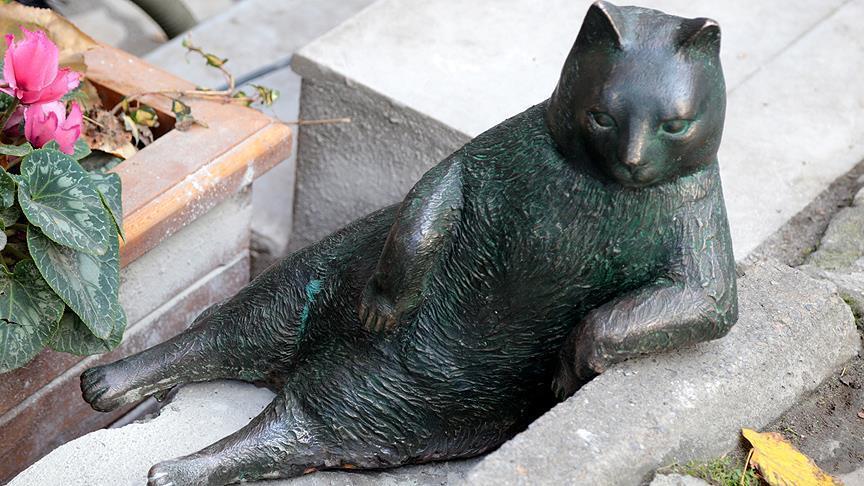
What introduced Tombili to world was that pose where he leaned on his elbow watching passersby. Photographers shared image, even foreign press got interested. There was human comfort in that pose — like philosophy saying “I’m here, let world turn.” That comfort cat resembles human reminded Istanbulite of himself.
3News of death — Mourning of a neighborhood.
When news of old Tombili’s death heard in August 2016, those who knew him in Ziverbey left flowers on sidewalk. Social media entered mourning — may sound strange but thousands shed tears for a street cat. That cat was small ritual making thousands smile in daily life on metro return; loss was real loss.
4Statue — Can statue be made for a cat?
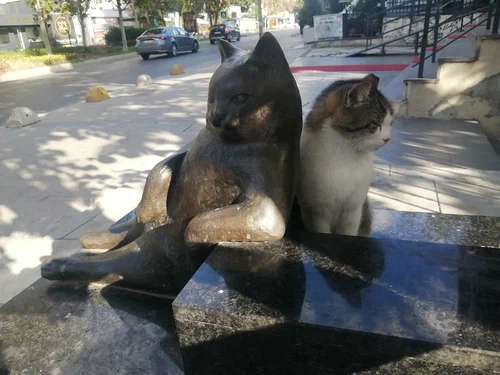
With initiative of locals and artist Seval Şahin, three months after Tombili’s death, his bronze statue was placed at exact bottom of those stairs. Hundreds came to opening. A statue for cat in Istanbul — a move you wouldn’t see anywhere else in this city. Statue still stands, still address tourists take photos at.
5Theft of statue — City’s reaction.
In late 2016, Tombili’s statue was stolen. Istanbul again poured to social media, signature campaigns started, newspapers made headlines. Statue was found and returned in short time. How much a city embraces a cat, embraces statue of that cat. Person stealing statue had actually touched a city.
6From Evliya Çelebi to today — Ottoman cat heritage.
Tombili’s story didn’t come from nowhere. In Evliya Çelebi’s Travel Book, Istanbul’s cat numbers mentioned; known that special water and food left for cats in Ottoman complexes. Folk saying “person killing cat must build 7 mosques” specific to this land. Turkish people’s relationship with cat is continuity spanning centuries.
7“Catstanbul” — Istanbul through world’s eyes.
2016 documentary “Kedi” (original name “Kedi,” “Kedistan” abroad) tells story of seven Istanbul street cats and shown at international film festivals. Thanks to film, world got to know Istanbul through cats. Tombili and cats like him became city’s tourist business card — but more importantly, doing this naturally.
8Cat in mosque — Hagia Sophia’s Gli.
Gli, cat that was “main resident” of Hagia Sophia for 16 years, even appeared on stage during Barack Obama’s visit. Gli died in 2020; like Tombili, etched in city’s emotional memory. Cat in mosque, cat in museum, cat in shopkeeper’s till — cat in Turkey is natural part of place, not “foreigner” to be intervened with.
9Shopkeeper and cat — Silent partner of stand.
Grand Bazaar, Fish Market, Eminönü — under every stand a cat, at every shop’s door a box. Fisherman saves fish tail for him; greengrocer places milk bowl under stand. This is not commercial relationship; “neighborhood agreement.” Shopkeeper feeds cat, cat considered lucky for shopkeeper. Tombili also lived at front door of a shopkeeper.
10After Tombili — What’s the legacy?
Ten years after Tombili’s death, no other names took his place — cat culture has anonymous and dispersed structure. But that statue still there, neighborhood still says “our Tombili.” In Turkey, street cats continue living with municipalities’ neutering programs, volunteer food boxes, “patik patik” Instagram accounts. Tombili wasn’t a cat, was symbol of way of life.
What a cat teaches
For a city to make a cat symbol, it’s not enough that cat is special; city also needs to be special. Tombili lived on a sidewalk, died on a sidewalk, statue placed on a sidewalk — and this isn’t strange, most natural thing for Turkey. In these lands cat is neighbor, member of household, faith’s compassion test. To remember Tombili is to remember what a neighborhood, a shopkeeper, a stranger volunteered to give to another being. And Turkey’s love for cats; not barren sympathy, but lifestyle spanning centuries — calm as cat leaning on sidewalk, sincere as neighborhood crying for cat’s death.
Frequently Asked Questions
Tombili gerçekten yaşadı mı, nerede?
Evet, İstanbul Kadıköy Ziverbey'de, Şevket Efendi Sokak'taki bir merdivenin dibinde yaşamış gerçek bir sokak kedisiydi. Mahalleli ona bakıyor, fotoğrafçılar sıklıkla ziyaret ediyordu. Ağustos 2016'da yaşlılıktan öldü. Bugün aynı merdivenin dibinde bronz heykeli duruyor ve yerel bir ziyaret noktası.
Tombili heykelini kim yaptı?
Heykel, sanatçı Seval Şahin tarafından Tombili'nin ünlü pozundan esinlenerek hazırlandı. Mahalleli ve sanatseverlerin kampanyasıyla, ölümünden yaklaşık üç ay sonra Ekim 2016'da merdivenin dibine dikildi. Kısa süre sonra çalındı ama kamuoyu baskısıyla bulunup yerine iade edildi.
Türkiye'de sokak kedileri neden bu kadar özel görülüyor?
Kökleri Osmanlı'ya ve İslam geleneğine uzanan kültürel bir miras var. Külliyelerde kedilere su bırakılması, Evliya Çelebi'nin seyahatnamesinde İstanbul kedilerinden bahsetmesi bunun izleri. Mahalle sözleşmesi, esnaf-kedi dayanışması ve belediyelerin kısırlaştırma programları, sokak kedisinin kentin doğal bir parçası olarak görülmesini sürdürüyor.
Kedistan belgeselini nerede izleyebilirim?
Ceyda Torun'un yönettiği 2016 yapımı belgesel orijinal adıyla 'Kedi', uluslararası pazarda 'Kedistan' veya 'Kedi' adıyla dağıtıldı. Türkiye'de çeşitli dijital platformlarda ve zaman zaman festivallerde izlenebiliyor. Film, İstanbul'un yedi sokak kedisinin hayatını takip ederek şehri onların gözünden anlatıyor.
İstanbul'da Tombili gibi başka tanınan kediler var mı?
Evet. Ayasofya'nın 2020'de ölen ünlü kedisi Gli, Barack Obama ziyaretinde bile sahnedeydi ve 16 yıl müzenin sakiniydi. Topkapı, Kapalıçarşı, Eminönü gibi pek çok tarihi mekânın kendi 'ünlü' sakini var. Mahalle ve dükkan kedileri ise isim yapmasa da yerel hafızanın önemli bir parçasıdır.