
15 Interesting Dog Behaviors and Their Scientific Reasons
Scientific reasons for 15 curious dog behaviors: spinning before lying, head tilting, zoomies, tail chasing, dream barking and more. Science speaks.
 Bekir Aydoğan
29 April 2026
5 min read
Bekir Aydoğan
29 April 2026
5 min read
AI-Powered
AI Summary — No time to read? Get the gist in 30 seconds.
The scientific explanation behind the 15 strangest dog behaviors: spinning before lying down, retrieving, rolling on grass, head tilting, scooting, dream-barking, tail chasing, panting, the smile expression, resource guarding, sleeping standing up, eye contact, rear sniffing, the "zoomies" and burying reflex. Most are ancestral instincts or forms of communication; a few are health warnings. Understanding your dog starts with listening.
While watching your dog, you’ve sometimes paused and thought “why are they doing this?” Shila for example turns around three times before lying down, Caramel proudly slides on his back on the grass in the park, Leo tilts his head while you’re on the phone. Actually, almost all of dogs’ behaviors we call “strange” have scientific explanations. Here are 15 interesting dog behaviors and the real reasons behind them.
1Turning around before lying down.
The explanation for your domestic dog circling three times on a modern couch goes back to its wild ancestors. Wolves and wild dogs would press long grasses to make a bed before sleeping, ensure insects flee and feel wind direction. The instinct doesn’t erase, just evolves from pot soil to blue carpet. It’s also thought to be related to pelvic temperature control.
2Insistence on bringing you something.
“Retriever” breeds like Golden, Labrador carry hunting assistance in their genes; bringing with mouth is the result of thousands of years of selection. So slipper, remote control, sock at home come to you as gift. Approving, smiling reinforces this behavior — meaning your dog knows it makes you happy and feels rewarded.
3Rolling on grass on its back.
A dog that suddenly lies on grass and slides its back on the ground is both releasing muscle tension and may be giving message of refreshing scent on it or “announcing presence” to others. Or more frequently: wants to spread a scent it likes (grass, soil, another animal trail) on itself. In wild ancestors, masking own scent also helped hunting.
4Tilting head sideways.
This behavior has a scientific equivalent as cute as it is. Research shows dogs tilt their heads to better distinguish words by changing the angle of the ear. A 2021 Hungarian study found “talented” dogs — those memorizing many words — tilt their heads more often. In short: your dog really listens to you.
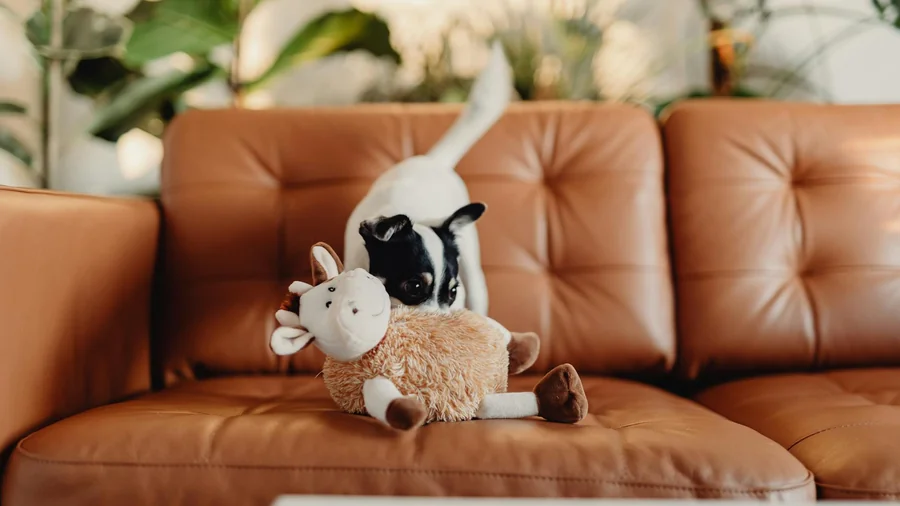
5Walking with rear legs dragged at snail’s pace (“butt scooting”).
Friends, this is not a romantic scene — the dog feels itching or discomfort in butt area. Most common cause is anal gland problems: when filled, inflamed anal glands aren’t expressed, dog scoots butt. Intestinal parasites, allergies are also on the list. If you saw more than one or two scoots, schedule vet appointment; gland expression is in 200-400 TL range, takes minutes.
6Barking, moving feet in dreams.
Dogs experience REM sleep just like humans and have dreams during this period. Scientists think dogs replay things they did during the day — a cat they chased, a game they played with owners. Important not to wake a dog twitching feet, growling slightly while sleeping; a dog startled from sleep can bite with defensive reflex.
7Chasing its tail.
Tail chasing in puppies is play, exploration behavior. But if an adult dog chases tail for hours, it’s a warning: distress, obsessive-compulsive disorder, insufficient mental stimulation, even physical condition (anal gland, dermatitis). Some breeds like Bull Terrier have high genetic predisposition. Brief fun OK, vet if it becomes obsession.
8Panting with tongue out.
Dogs don’t sweat from whole body like humans — only have small amounts of sweat glands on paws. They quickly control heat by panting with tongues. This behavior after normal exercise is natural. But dark red gums, purpling, excessively hard breathing is sign of heat stroke — a dog left in car in summer can lose its life in 10 minutes.
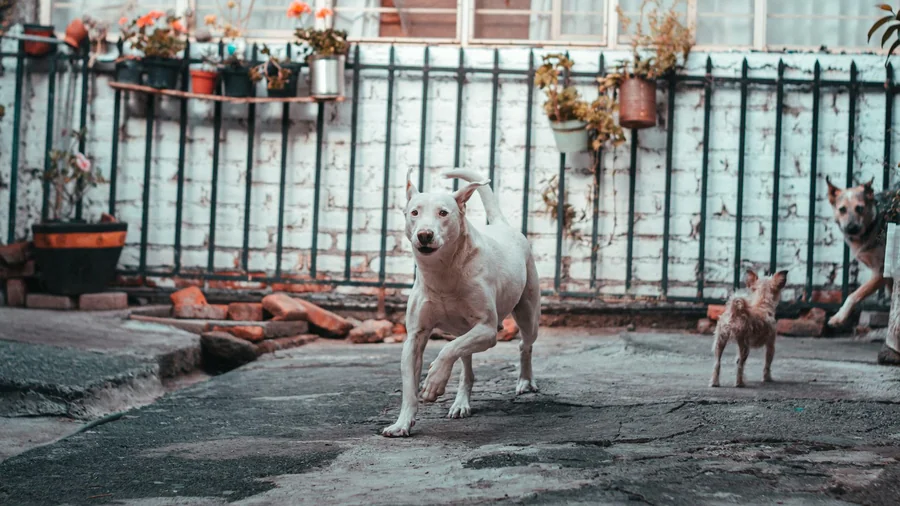
9Showing teeth as if smiling at you.
This expression called “submissive grin” is happy expression in some dogs — especially breeds like Golden and Dalmatian. Front teeth are visible, body language relaxed, tail wagging. Don’t confuse this with aggressive “showing teeth”: in that case lips are tight, body tense, ear back flat. Difference is in rest of body.
10Being protective against those approaching food bowl.
“Resource guarding” is a natural instinct; food sharing was matter of life-and-death in wild ancestor. Softening this behavior with proper training from early age is essential in domestic dog: touching by hand while eating, playing with bowl, positive reinforcement. If advanced guarding in adult dog, professional trainer should step in, shouldn’t be neglected in homes with children.
11Lying on top of your feet.
This is both love and strategy. Your dog knows you, trusts you and as “group leader” protects you or feels safe by your side. At the same time may want to prevent your feet from going somewhere — because feeling separation from you is unpleasant for dog. A soft show of authority.
12Locking eyes with you and looking at length.
Eye contact secretes oxytocin between humans, same in dog-human relationship. Long studies show mutual gazing raises level of “bonding hormone” on both sides — chemistry similar to baby-mother relationship. Constant eye contact in wild wolves is threat; domestication process freed dog from this instinct and brought close to humans.

13Sniffing others’ rear.
Dog isn’t saying hello, it’s literally doing identity check. Anal glands produce a unique scent for each dog — age, gender, health condition, emotional state are all in this scent. So when two dogs meet, first noses, then rears are sniffed. Pulling guide and saying “stop this!” is actually intervening in dog’s natural communication. Respectful sniffing should count as greeting.
14Running like crazy at home (“zoomies”).
Scientific name FRAP (Frenetic Random Activity Period). Dog suddenly runs from one end of living room to the other like a storm, returns, runs again. This is explosion of accumulated energy; especially after bath, long sleep or being stationary for long time. A calm release; instead of intervening, remove obstacles in front, watch the joy.
15Burying in sand or soil.
Hiding bone in garden, toy in carpet, sometimes partially under fabric blanket — a “save for later eating” reflex remaining from wild ancestors. A smart strategy from periods of resource scarcity. Since “burying” is physically impossible at home, dog tucks under blanket and presses on top with nose. A small box of soil or “digging corner” relaxes this instinct.
What makes your dog “strange” is actually its history, genes, emotions. Buddy doing three turns before lying down sends greetings from ancestor wolves; Caramel bringing you sock fulfills a retriever job description; Leo tilting head sideways really tries to understand you. Instead of saying “stop that” when seeing these behaviors, observing both beautifies the relationship and catches possible health/behavior problems early. Your dog speaks silently — we just need to learn to listen.
Frequently Asked Questions
Köpek neden yatmadan önce etrafında döner?
Yabani atalarından kalan bir yatak yapma davranışı. Eskiden uzun çimenleri ezip böcekleri kaçırmak, rüzgâr yönünü hissetmek ve ısıyı düzenlemek için döner dururlardı. İçgüdü silinmedi, sadece modern halıya taşındı. Eğer köpek aşırı sayıda dönüyor, oturmakta zorlanıyor veya huzursuzsa ortopedik bir rahatsızlık olabilir, veterinere gösterin.
Köpek yerde popa sürünüyor, ne yapmalıyım?
En yaygın sebep anal kese sorunu. Dolmuş ya da iltihaplanmış keseleri veteriner birkaç dakikada boşaltır (200-400 TL). Diğer olasılıklar: bağırsak parazitleri, cilt alerjileri, ishal sonrası kalan tahriş. Bir-iki sürmeden fazlası olursa mutlaka kontrol ettirin. Düzenli parazit ilaçları, lifli beslenme ve kontroller bu sorunu önler.
Köpeğim neden başını yana yatırıyor?
Araştırmalara göre kelimeleri daha iyi duymak ve ayırt etmek için kulağın açısını değiştiriyor. 2021'de yayımlanan Macar çalışması, 'yetenekli' — yani çok kelime ezberleyebilen — köpeklerin başlarını daha sık yan yatırdığını buldu. Başka bir deyişle: köpeğiniz sizi gerçekten dinliyor, söyledikleriniz onun için bir şey ifade ediyor.
Zoomies (deli gibi koşma) tehlikeli mi?
Hayır, aksine çoğu zaman sağlıklı bir enerji boşalmasıdır. Bilimsel adı FRAP. Özellikle banyodan sonra, uzun bir uykudan uyanınca veya uzun süre hareketsiz kaldıktan sonra görülür. Petinizin etrafındaki kırılabilir eşyaları kaldırın, rahatça koşabileceği bir alan bırakın. Çok sık ve aşırı ise yetersiz günlük egzersiz işareti olabilir.
Köpeğim bana sürekli eşya getiriyor, normal mi?
Golden, Labrador, Cocker Spaniel gibi retriever ırkları için son derece normal ve genetik bir davranış. Yüzyıllarca avcı yardımcısı olarak yetiştirildikleri için ağızla taşıma içgüdüleri güçlü. Köpeğiniz size terlik ya da oyuncak getirdiğinde sevgiyle karşılayın; bu bağ kurma ve görev sahibi hissetme biçimidir. Yumuşak oyuncak yönlendirmek dengeleyici.