
Cat Dreams: 7 Scientific Explanations
7 scientific explanations of cat dreams: REM sleep, hunting scenarios, emotional processing, kitten brain development and aging neurological changes. Neuroscience-based guide.
 Bekir Aydoğan
2 May 2026
3 min read
Bekir Aydoğan
2 May 2026
3 min read
AI-Powered
AI Summary — No time to read? Get the gist in 30 seconds.
Cats really do dream — and more than humans do. The discovery of REM sleep itself began with cat research in 1959. During dreams, hunting scenarios, emotional processing and memory consolidation are running. The REM atonia mechanism blocks movement; in kittens, REM ratio can reach up to 90%. In senior cats, REM sleep behavior disorder can be an early sign of Parkinson's. Quality sleep directly affects a cat's learning and emotional health.
Does your cat twitch its paws in sleep, flick its tail, sometimes meow softly? Minnoş’s behaviors during sleep is an area neuroscientists have been examining very carefully since the 1960s. Yes, cats really do dream — and research shows dream content is much more complex than we thought. Here are 7 scientific explanations for cat dreams.
1REM sleep was first discovered in cats.
In 1959, French neuroscientist Michel Jouvet noticed in his research on cats that brain activity accompanied by rapid eye movements (REM) resembled awake humans. This discovery was the beginning of understanding the dreaming mechanism in mammals. Cats spend approximately 25% of their daily sleep in REM phase — this is approximately 20% in humans. So cats dream more than us.
2They hunt in their dreams.
In Matthew Wilson’s MIT study with cats, brain activity was recorded: during REM, the brain re-fired the same neurons activated during daytime hunting practices. So Caramel “catches” again and again a mouse her tail caught in sleep. This process is interpreted as memory consolidation and mental rehearsal of hunting skills. Paw twitches are how things done during day are processed in sleep.
3There’s a scientific reason they don’t move in dreams.
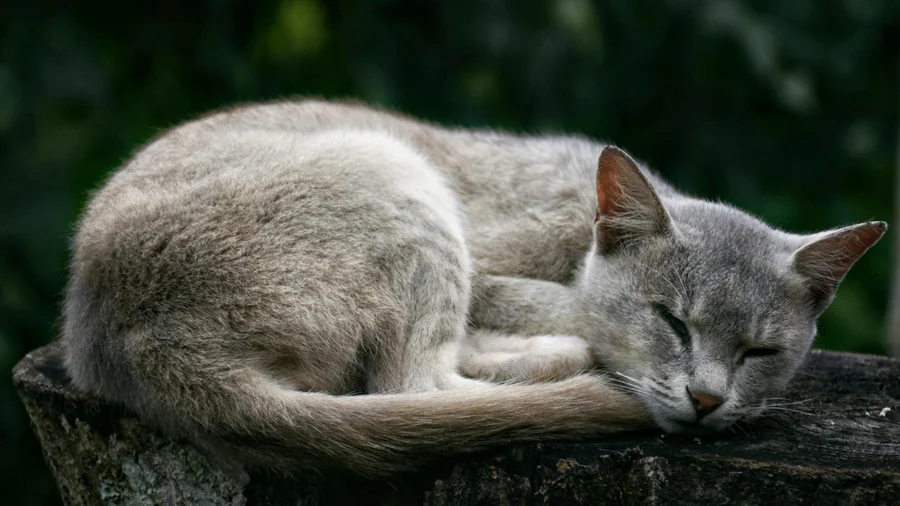
The mechanism called “REM atonia” in the brainstem blocks muscle work during dreams. Without this, cats would actually start every movement in their dreams. In Jouvet’s famous experiment, this region was surgically blocked — cats started running, attacking, climbing in their sleep. Today, narcolepsy and REM sleep behavior disorder studies are based on this experiment.
4Kittens dream more.
Newborn kittens spend close to 90% of their daily sleep in REM phase. These “dream practices” are critical for forming developing neural networks of the brain. Kitten Pamuk’s constant twitching, paw moving, meowing during sleep are signs of this development process. After 6 months, REM ratio drops to adult level (25%).
5Dreams may contain emotional content.
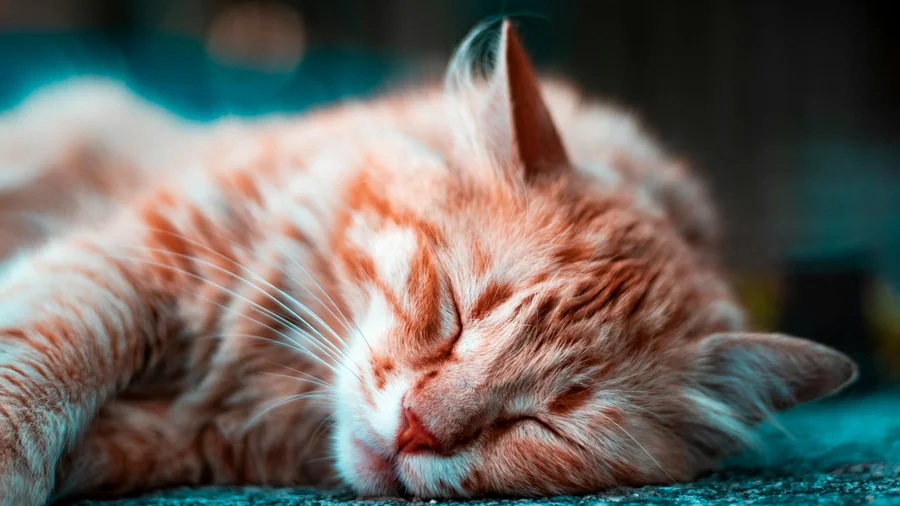
2019 University of Lyon research showed that amygdala (emotional brain region) activation is high in cats’ REM sleep. So in dreams, not just motor repetition but emotional content is also processed. If your cat hisses in sleep after a stressful day, it’s probably processing the emotional event experienced. Providing a safe environment reduces nightmare risk.
6Sleep disorders show similar symptoms to humans.
“REM sleep behavior disorder” can be seen in older cats — when the REM atonia mechanism weakens, cats start to physically move in their dreams. This exactly overlaps with one of the precursor symptoms of human Parkinson’s disease. If you see sudden attacking, walking, aggressive meowing in sleep in an older cat, you should consult a vet — it could be a neurological sign.
7Dreams reinforce practical learning and memory.
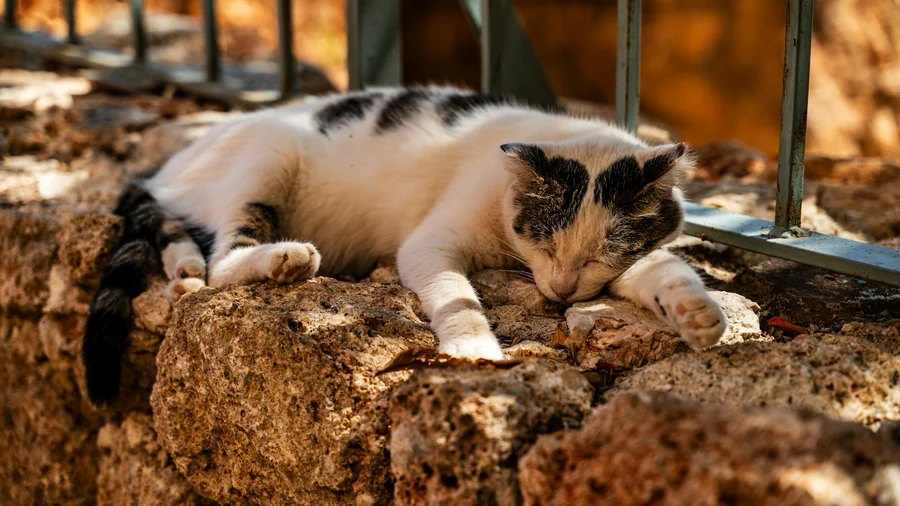
Recent Harvard Medical School studies confirmed that information learned during the day is transferred to long-term memory in cats during REM phase. A cat playing with a new toy, meeting another cat that just came home, learning the scratching position — all these experiences are “recorded” during the dream. So quality sleep directly affects the cat’s learning capacity.
In short:
Your cat’s twitchy sleep state is not just cute — it’s a scientific process where the brain processes daytime experiences, reinforces skills, regulates emotions. Leo’s paw twitching in dreams is proof that hunter genes remain active. Providing your cat with a quiet, dark and safe sleeping area; not only nourishes today but also learning and memory development. Watching them sleep is one of the simplest ways to show respect.
Frequently Asked Questions
Kediler neyin rüyasını görür?
MIT araştırmaları kedilerin REM uykusunda gündüz yaptıkları aktiviteleri yeniden yaşadıklarını gösteriyor. Avlanma, oyun, keşif gibi deneyimler uykuda tekrar ediliyor. Beyin taramaları, gündüz aktive olan nöronların aynı sıralarla REM fazında ateşlendiğini kanıtladı. Yani kediniz muhtemelen en sevdiği oyuncak veya gördüğü bir fareyi rüyasında yakalamaya çalışıyor.
Kedim uykusunda neden titriyor?
REM fazında beyin aktif rüya gördüğü için kasları kontrol eden sinir uçları küçük sinyaller sızdırıyor. Pençe titreme, kuyruğun oynaması, burun seğirmesi normal. Ancak şiddetli titreme, aşırı ses çıkarma veya bilinçsiz yürüme görürseniz bu REM uyku davranış bozukluğu olabilir — özellikle yaşlı kedilerde veteriner kontrolü gerekiyor.
Yavru kediler neden sürekli rüya görüyor?
Yeni doğmuş yavruların uykusunun yüzde 90'ı REM fazında. Bu dönem beynin sinir ağlarını oluşturma süreci — sinapslar arası bağlantılar rüya aktivitesi sırasında güçleniyor. 2 aylıktan itibaren oran azalmaya başlıyor, 6 aylıkta yetişkin seviyesine (%25) iniyor. Yavru kedinin kıpırtılı uykusu beyninin geliştiğinin işareti, müdahale etmek yanlış olur.
Kediler kabus görüyor mu?
Muhtemelen evet. Lyon Üniversitesi 2019 çalışması, stresli deneyimler yaşamış kedilerin REM uykusunda amigdala (korku beyin bölgesi) aktivasyonunun yüksek olduğunu gösterdi. Aniden havlayarak uyanma, saklanma, sertçe kaçma gibi davranışlar kabus işareti olabilir. Güvenli ve sessiz bir uyku alanı, stresten uzak bir yaşam kabus riskini azaltıyor.
Kedimi rüyasından uyandırmalı mıyım?
Hayır, uyandırmayın. REM fazındaki uyku beynin hafıza pekiştirme ve duygusal işleme için kritik. Ayrıca aniden uyandırılan kedi dezoryante olur ve saldırgan tepki verebilir. Çok rahatsızlık verecek sesler çıkarıyorsa odanın sıcaklığını ve gürültü seviyesini kontrol edin. Sürekli tekrarlanan kabuslarda veteriner kontrolü gerekiyor.