
Surprising Facts About 12 Cat Breeds
Surprising facts about 12 cat breeds: Maine Coon's giant size, Sphinx's hidden fur, Turkish Van's love of swimming, Scottish Fold's genetic dilemma and more breed guide.
 Bekir Aydoğan
29 April 2026
5 min read
Bekir Aydoğan
29 April 2026
5 min read
AI-Powered
AI Summary — No time to read? Get the gist in 30 seconds.
Surprising facts about 12 cat breeds: Maine Coon's giant size, Sphynx actually being downy, Turkish Van's love of swimming, Scottish Fold's genetic dilemma, Bengal's leopard coat, Ragdoll's gentle heart, Persian's health cost, Siamese's vocal nature, Norwegian Forest's winter coat, Abyssinian's ancient heritage, Russian Blue's allergy-friendliness, Savannah's records. Choosing a breed is about personality, health and lifestyle compatibility.
Cats, despite millennia-long domestication stories, never fully opened up to us — each breed has its own mysterious side. Some enter a lake to fish, some are born with what looks like makeup on their face, some are like a phone-calling friend with their talkativeness. Here are surprising facts about 12 cat breeds in the world that even surprise cat lovers.
1Maine Coon: A giant who walks like swimming.
Maine Coon, one of America’s natural breeds, is considered the largest of domestic cats — males easily 7-10 kg, length can exceed 1 meter. One of rare cat breeds with interest in water; some individuals don’t hesitate to come in while you shower. Polydactyly (extra toes) is relatively common in this breed. We often see Maine Coons in record-breaking “Longest Cat” category.
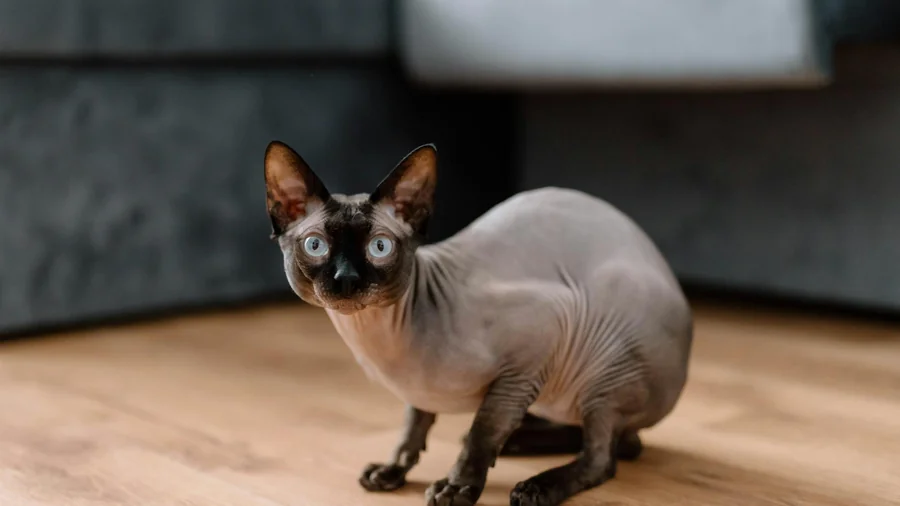
2Sphynx: Furless but actually not “naked.”
The Sphynx you think looks furless is actually covered with a thin fur layer — gives a feel similar to peach fuzz when touched. Has to bathe weekly because of no fur; body oil accumulates on skin. Despite average weight, their metabolism is fast, eat more. Sphynx prices in 2026 Turkey are between 30,000-70,000 TL; this number is not solution to allergy — allergens are not in fur but in secretion.
3Turkish Van: Turkey’s swimming natural treasure.
Turkish Van from the shores of Lake Van is one of the rare cat breeds in the world that loves swimming. Owners may complain about not being able to stop the cat in the bath. “Heterochromia” with one eye blue, the other amber is common in this breed. Vans are protected in Turkey — export is subject to legal regulation. Even finding a real pure Turkish Van is hard, should not be confused with mixed “Van cat.”
4Scottish Fold: Ears folded forward, but a difficult relationship with its DNA.
Inward-folded ears are what made this breed famous, but the same mutation also leads to a hereditary joint disease called osteochondrodysplasia. So beauty comes with a genetic illness. Ethical breeders cross Fold only with straight-eared (Straight), no two Folds are mated. Always ask about the genetic origin before adopting — there’s even a discussion of ban in some countries in 2026.
5Bengal: House cat with wild leopard pattern.
Bengal, from the mix of Asian leopard cat and domestic cat, is famous for its glittering “glitter” effect fur. May have interest in water, jumps long distance, has high intelligence and can’t get enough of play. Bengal who gets bored due to high energy stops being peaceful, targets furniture. F5 and after are considered “domestic”; earlier generations (F1-F3) are kept with permission in some cities and treated as “exotic animal.”
6Ragdoll: A cat that melts like a sack in your lap.
As the name suggests, “rag doll” — when picked up, it relaxes all its muscles, becomes a literally lifeless ball. Recommended as family cat with blue eyes, pointed colors and calmness. Caution: the breed has special predisposition to genetic heart disease HCM. It’s important to get from DNA-tested parents. In 2026 Turkey, Ragdoll kittens are in 30,000-60,000 TL range.
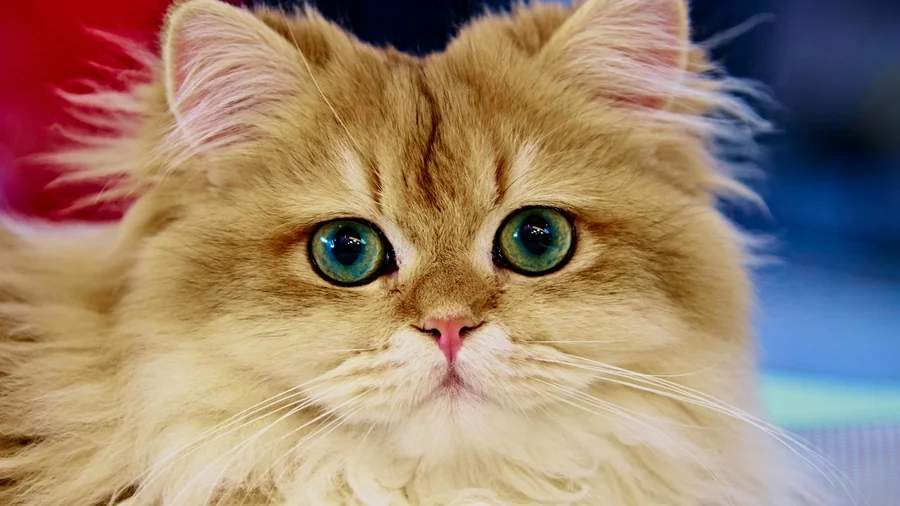
7Persian: The cost of a face being “smushed.”
Persians, famous with flat faces, cute “flat nose” looks, are brachycephalic (short-headed) breed. This aesthetic comes with health issues like breathing difficulty, eye watering, dental problems. Fur care is a job that requires almost daily combing. Traditional (doll-face) Persian line offers a healthier alternative both in health and aesthetics.
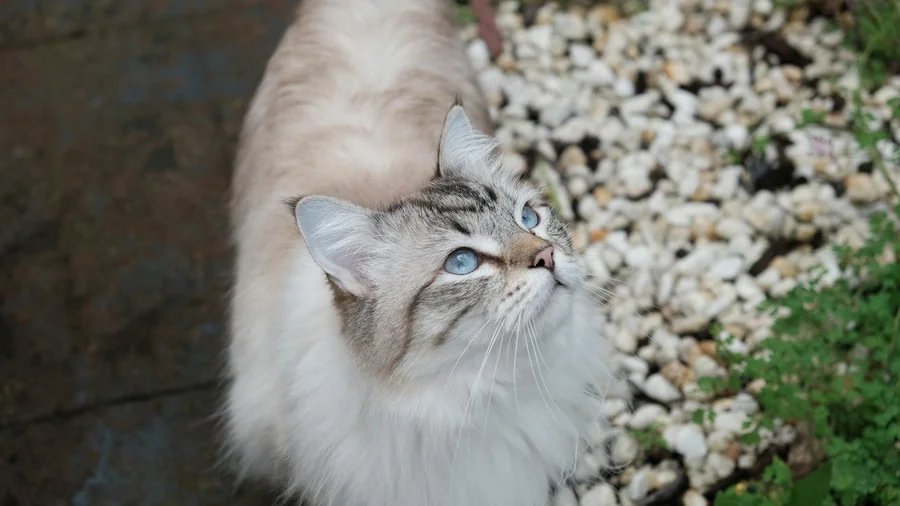
8Siamese: The breed redefining the word “talkative.”
Siamese cat loves vocal communication all day — long meowing as if having dialogue with owner, loud reactions are normal. Very smart, prone to bonding, breed that takes loneliness badly. Ideal if budget is low but attention budget is high. Those looking for “silent cat” can look at British Shorthair instead of Siamese.
9Norwegian Forest: Winter-loving, woodsman cat.
This breed that boarded ships with Vikings, evolved in harsh winters of Scandinavian forests, has double-layered waterproof fur. Close to Maine Coon in size. Independent character, loves climbing, calm but distant. A breed becoming popular in Turkey but care can be a bit challenging in hot climate — air-conditioned environment is big plus.
10Abyssinian: One of world’s oldest breeds, looks like out of Egyptian hieroglyphs.
Abyssinian, claimed to date back to ancient Egypt, is recognized by ticked (multiple color bands per hair) fur. Mysterious, athletic, constantly active. Climbs to high places, watches view from top of bookshelf. Doesn’t like being alone; if you work outside many hours, considering second cat or play companion is essential.
11Russian Blue: A hidden allergy-friend as much as appearance.
Russian Blue, famous with silver-blue fur, is most frequent name in “is it suitable for allergic people” debate. Allergen protein called Fel d 1 is thought to be naturally produced less — however, no cat is completely “hypoallergenic.” A breed shy, tightly attached to acquaintances, avoiding guests. Perfect fit for someone who likes calm environment at home.
12Savannah: World’s longest cat breed.
Savannah, hybrid of African Serval cat and domestic cat, is a giant breed whose length can reach 40-45 cm. F1 (first generation) individuals are banned or permitted in some countries. Has extraordinary features like high intelligence, dog-like learning capacity, running to be leashed when hearing word “apple.” Rare and very expensive in Turkey — seen in 80,000-200,000 TL range in 2026.
Looking at it,
Cat breeds are not just fur color or eye shape difference — each represents different personality, different health sensitivities and different life requirement. Before searching for “breed cat,” researching whether this breed suits your lifestyle, health predispositions and breeder ethics is essential. Sometimes the right answer is Pamuk you saved from the street — her breed is “wonderful cat” and will love you a lot. Whichever it is: choose with knowledge, raise with love.
Frequently Asked Questions
Sfenks kedisi alerjisi olanlar için uygun mu?
Yaygın inanışın aksine hayır — ya da tam olarak değil. Kedi alerjisi tüylerden değil, Fel d 1 adlı salgı proteininden kaynaklanır. Sfenks bu proteini üretmeye devam eder; tüyü olmadığı için salgı doğrudan deride ve evde yayılır. Daha az alerjen üreten ırk arıyorsanız Russian Blue, Siberian veya Balinese daha iyi seçenekler; yine de %100 garantisiz.
Scottish Fold sağlıklı bir ırk mı?
Fold kulağa yol açan mutasyon, aynı zamanda osteokondrodisplazi denen bir eklem hastalığına sebep olur. Etik üreticiler iki Fold'u çiftleştirmez; Fold + Straight çiftleşmesi yapar. Bu ırkı sahiplenmeden önce anne ve babanın genetik durumu, kalça-eklem röntgenleri mutlaka sorulmalı. Bazı ülkelerde yetiştirilmesi tartışma konusudur.
Maine Coon apartman dairesine uyar mı?
Uyabilir, ancak büyük bedenleri nedeniyle geniş alan avantajlıdır. En az 80-100 m² ev, iyi tırmanabileceği tırmalama parkuru, bol pencere manzarası, oyun alanı tavsiye edilir. Tüy bakımı haftada en az 2 kez. Enerji seviyeleri yüksek değildir; kedilerin 'sakin dev' örneğidir. Sıcak yazlarda serin ortam sağlamak önemlidir.
En pahalı kedi ırkları hangileri?
2026 küresel verilere göre en pahalı kedi ırkları: Ashera ve Savannah (F1) 100.000 USD'ye yaklaşabilir, Bengal, Caracat, Khao Manee, Persian, Russian Blue ve Scottish Fold üst dilimde yer alır. Türkiye'de bu ırkların ithalat gümrüğü nedeniyle fiyatlar 60.000-200.000 TL bandına ulaşıyor. Pahalı olmak 'daha iyi' anlamına gelmez; etik üretim esastır.
Turkish Van ile Ankara kedisi aynı mı?
Hayır, iki farklı ırk. Turkish Van Van Gölü bölgesinden, suda yüzmeyi seven, genelde beyaz gövdeli ve kafa/kuyruk renkli bir ırk. Turkish Angora (Ankara kedisi) Ankara bölgesinden, tamamen beyaz veya renkli, ipeksi tüyleri ile tanınır. İkisinin de Türkiye'de koruma statüsü vardır; ihracatı ve üretimi kurallara bağlıdır.