
Rottweiler: 12 Facts About the Misunderstood Breed
12 truths breaking common myths about Rottweilers: origins, intelligence, training needs, hip dysplasia, bone cancer risk, legal status in Turkey and real family dog personality.
 Bekir Aydoğan
23 April 2026
4 min read
Bekir Aydoğan
23 April 2026
4 min read
AI-Powered
AI Summary — No time to read? Get the gist in 30 seconds.
The Rottweiler is a working dog of cattle-driving origin — intelligent, family-bonded and trainable. Contrary to the "dangerous breed" cliché, with proper socialization and consistent training it becomes a very balanced companion. Its athletic build, high exercise needs, hip dysplasia and bone cancer risk are real facts. It forms strong bonds with children, but supervision is essential. With an 8-11 year lifespan, it offers an intense and deep friendship for experienced owners.
Rottweiler — labeled as “dangerous breed” in media, standing next to bad guy in films, the dog most subjected to misunderstanding in neighborhood conversations. Real Rottweiler is very different from these clichés: loyal, smart, in love with family and incredibly balanced companion in right hands. Here are 12 facts you need to know about the breed and most people will be surprised.
1Originally cattle herders, not aggressors but workers.
Ancestors of Rottweiler are shepherd dogs that carried cattle herds of Roman Empire. Later developed in Germany’s town of Rottweil as butcher’s dog, butcher cart puller and protection guard. Not “aggressive dog” but “working dog.” Understanding this distinction is key to understanding Rottweiler: they seek mission, authority, discipline — and when they find, become one of world’s most balanced dogs.
2Among 10 smartest dog breeds worldwide.
Rottweiler ranked 9th in Stanley Coren’s “The Intelligence of Dogs” study. They learn new commands in less than 5 repetitions, first-time obedience rate over 95%. This intelligence is like sword: well-directed produces incredibly trained dog, badly-directed creates “making own decisions” dog. Training not optional but mandatory.
3Show “lean” behavior with love.
One of Rottweiler’s most lovable but most misunderstood behaviors: leaning entire body weight against standing owner’s leg. When 45-kilo Leo as Rottweiler leans against you and stays motionless, this means not “I’m controlling you” but “I love you, I’m touching, I’m close.” Extension of shepherd dog reflex — physical contact with flock.
4Draw clear line between family and outside world.
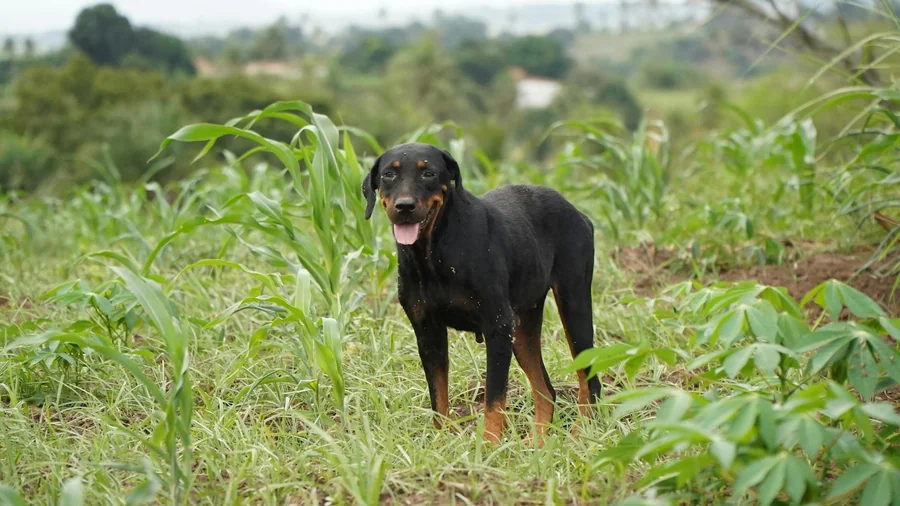
Rottweiler is extremely warm and soft toward family; naturally distant and observant toward strangers. This doesn’t make them “don’t like humans” — they approach with mentality not just “you decide who’s trustworthy” but “I’ll evaluate too.” With proper socialization, this distance becomes healthy selectivity; with bad socialization, can turn into reactivity.
5Their muscular structure surprisingly athletic.
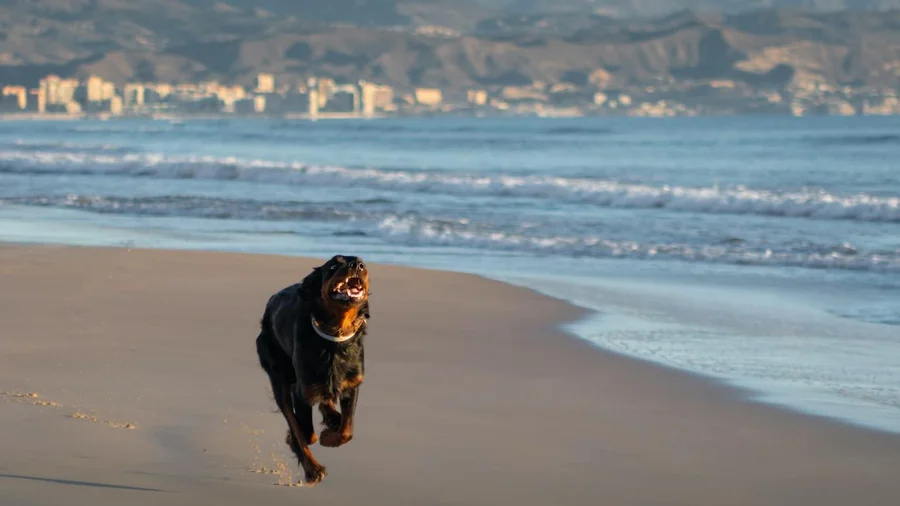
Perception “heavy, clumsy dog” is wrong. Rottweiler is athletic breed between 40-60 kg; sprint speed can reach 40 km/h. Very successful in endurance sports, agility, protection training, weight pulling. Don’t think working owner in apartment will be happy with short walks — 60-90 minutes active exercise daily essential.
6Not on “dangerous dog” list in Turkey.
In Turkey, Animal Protection Law 7332 has “banned breeds” and “breeds requiring registration” lists. Rottweiler not among banned breeds like American Pitbull Terrier; however, muzzle and off-leash bans strictly enforced. Still, apartment managements and some site managements may set their own rules. Check site management plan before adopting.
7Their bonds with children historically strong.
Bond Rottweiler builds with children as family dog is one of breed’s most special aspects. “Shepherd dog” reflex causes them to see small family members as “precious part of flock.” However, this doesn’t mean 50-kilo dog and 5-kilo child can be left unsupervised — physical size difference always brings accident risk. Never without parental supervision.
8Hip and elbow dysplasia is biggest genetic risk.
Like all large breeds, Rottweiler also prone to hip-elbow dysplasia. Most basic duty of good breeder is to put parents through HD-ED (hip-elbow evaluation) test. Get puppy from parents with HD-A / HD-B scores. Rottweilers from untested production face you on joint surgery table at 4-5 years old; bill comes 50-100 thousand TL.
9Bone cancer (osteosarcoma) rates above average.
Rottweiler unfortunately one of breeds with high bone cancer (osteosarcoma) risk. Most risky period is 7-10 years old. Limping, pain without obvious injury, swelling of one leg are early signs. Early diagnosis very critical; some can go to remission with amputation + chemotherapy. So every Rottweiler owner shouldn’t skip twice yearly vet checks after age 7.
10Training method should be on “consistency” not “leadership.”
Old type “alpha method,” suppressive-punitive training backfires in Rottweiler. This intelligent breed responds to harshness not with fear, but with disappointment and reactivity. Modern positive reinforcement, consistent rules, clear boundaries and calm authority is golden formula for Rottweiler. If 3 people at home apply 3 different rules, Rottweiler decides on its own — becomes own boss.
113-16 week window critical for socialization.
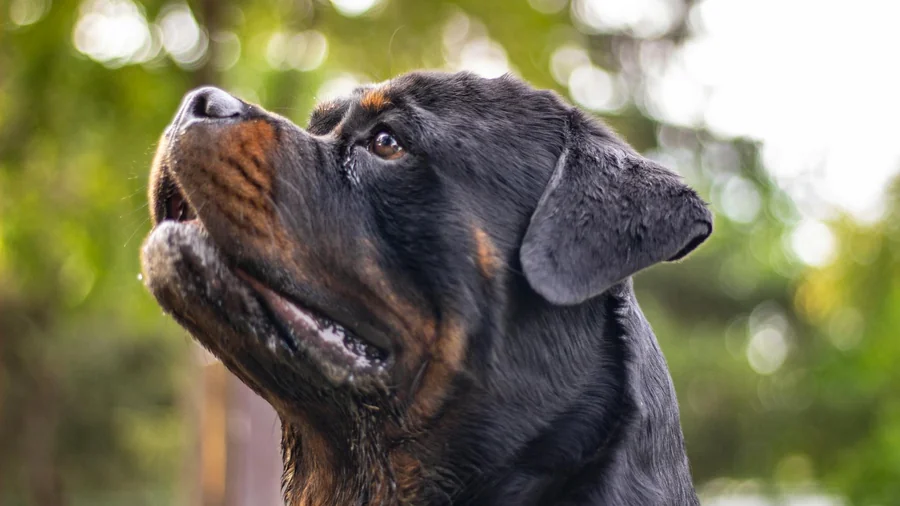
Period between 3-16 weeks of puppy period known as “critical socialization window.” In this period, Rottweiler puppy needs exposure to different people, dogs, sounds, surfaces, environments. Rottweiler missing this window can become reactive at older age. Even before puppy vaccinations, taking in arms to different places, playing sound CDs essential. This step not negotiable.
12Lifespan 8-11 years — large breed reality.
Unfortunately, biggest bitter reality of large breeds also valid for Rottweiler: average lifespan 8-11 years. 12-13 years can be seen in well-fed, ideally weighted, regularly checked individuals. But obesity, joint problems and cancer predisposition can shorten this period. Being Rottweiler owner means starting story of intense honor and short but deep love.
As final words,
Rottweiler is far from “dangerous dog” cliché drawn by movies and prejudices. Rottweiler raised with right socialization, consistent training, sufficient exercise and hand of responsible owner — is breed that will leave you in awe with its intelligence, loyalty and family focus. However, this is not breed to say “let’s be my first dog”; requires dog experience, physical control capacity, time and discipline. When matched with right family, Rottweiler builds one of strongest friendships humans can make.
Frequently Asked Questions
Rottweiler Türkiye'de yasaklı bir ırk mı?
Hayır, Rottweiler Türkiye'de yasaklı ırklar listesinde değildir. 7332 sayılı Hayvanları Koruma Kanunu'nda Pitbull gibi ırklar yasaklıyken Rottweiler serbesttir. Ancak tasma ve ağız bağı kullanma zorunluluğu ile dışarıda kayıt-kontrol kuralları uygulanır. Apartman ve site yönetimleri kendi iç kurallarını koyabileceği için sahiplenmeden önce site yönetim planını kontrol edin.
Rottweiler apartmanda bakılabilir mi?
Bakılabilir, ama kolay değildir. 90+ m² daire, günlük 60-90 dakika aktif egzersiz ve sosyalleşme fırsatları gerekir. 45-50 kg'lık bir köpek için asansör, dar koridor ve mahalle ilişkileri pratik zorluklar yaratabilir. Bahçeli ev veya en azından geniş apartman daireleri Rottweiler için çok daha uygundur. Apartmanda başarılı vakalar var ama sahip disiplini kritik.
Rottweiler yavrusu Türkiye'de ne kadar?
2026 itibarıyla HD-ED testli, kayıtlı üreticiden sağlık sertifikalı bir Rottweiler yavrusu Türkiye'de 25.000-65.000 TL aralığında. Şampiyon soy ve Alman/Sırp ithal hatlar 80.000 TL'ye kadar çıkabilir. 10.000 TL altı fiyatlardan kesinlikle kaçının; test edilmemiş ebeveynlerden gelen yavrular kalça-dirsek ameliyatı olarak geri döner.
Rottweiler ilk köpek olarak uygun mu?
Deneyimsiz sahipler için ideal bir seçim değildir. Yüksek zekası, fiziksel gücü ve kararlı karakteri deneyim gerektirir. Tutarsız eğitim, yetersiz sosyalleşme veya fiziksel kontrolsüzlük ciddi davranış sorunlarına dönüşebilir. En az bir köpek yetiştirmiş, profesyonel eğitim desteği alabilecek ve günlük yoğun etkileşim vakti olan sahipler için çok daha uygundur.
Rottweiler kaç yıl yaşar?
Ortalama yaşam süresi 8-11 yıldır. İdeal kiloda tutulan, HD-ED testli ebeveynlerden gelen ve düzenli veteriner kontrolleri yapılan bireylerde 12-13 yıl görülebilir. Obezite, eklem sorunları ve kemik kanseri (osteosarkom) yatkınlığı bu süreyi kısaltabilir. 7 yaş sonrası yılda iki kez veteriner kontrolü erken tanı için kritiktir.