
11 Serious Warnings Before Adopting a Husky
11 serious warnings before adopting a Husky: Turkey climate risk, escape tendency, 2 hours daily exercise need, howling, shedding and non-guard social character.
 Bekir Aydoğan
21 April 2026
4 min read
Bekir Aydoğan
21 April 2026
4 min read
AI-Powered
AI Summary — No time to read? Get the gist in 30 seconds.
The Siberian Husky was bred for the Arctic, demands 2 hours of exercise per day, loves to escape, is stubborn, sheds, and is highly social. Turkey's summer is a serious health risk for this breed, and apartment life is barely suitable. It's not a guard dog, can't be left alone, and loves to howl. If your lifestyle can't sustain this 12-15 year commitment, well-intentioned adoption becomes a disaster for both Husky and you.
Siberian Husky. Dramatic performances on social media — crying, talking, throwing “I don’t love you” airs… That wolf-eyed beauty everyone has been saying “I want one too” since Game of Thrones. But adoption decision you want to jump on while smiling at Husky videos can turn into disaster in climate like Turkey and apartment culture. Husky among most frequent “return” breeds in Turkish shelters. Here are 11 serious warnings you need to tell yourself before getting one.
1They were bred for Arctic — Istanbul summer doesn’t suit them.
Husky was selected for thousands of years by Chukchi people of Siberia to pull sleds in -40°C conditions. Double-layer coat, small ears, compact paws — all for cold. 35°C summer heat of Turkey is serious stress for this body. Taking Husky out at noon in Istanbul’s August day going to 40°C can lead to heat stroke, even death. Air-conditioned environment almost mandatory.
2They’re escape experts — fence isn’t enough.
Husky’s escape reflex written in breed’s DNA. Jump fences, dig under fences, dart through open doors, learn to slip out of leash. Husky owners living in house with garden usually first need 1.5 meter fence, then 2 meter fence. Loss cases most common in this breed in Turkey. Can’t be left alone in garden, can’t be off-leash in park. “Recall” command almost never works in Husky.
3Their energy at marathon runner level.
A sled Husky can run 80-160 km per day. To manage this engine in your home requires minimum 2 hours intense exercise daily. 15-minute walk in apartment and weekly trip to park is torture for Husky. Insufficient exercise = dog scratching walls, destroying home, experiencing separation anxiety. Running or biking actually necessary, walking alone not enough.
4They’re stubborn — training is hard.
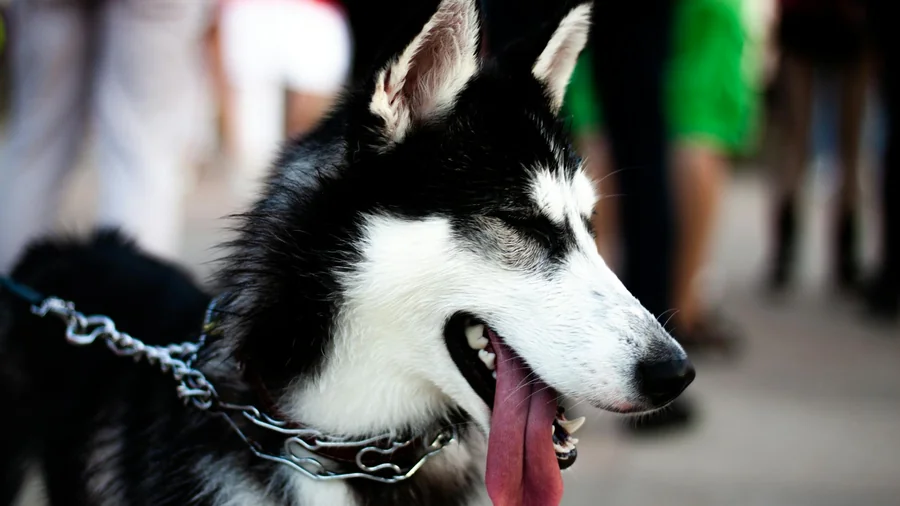
Husky is smart; but “smart” doesn’t always mean “obedient.” Breed making own decisions, thinking independently from owner — when in sled team, leader looks at you who guides with hand, not at it. Teaching basic commands takes long, Husky doesn’t do “sit” command if not voluntary. Patience, consistency and positive reinforcement essential. Not ideal for beginner dog owners.
5Their shedding is extraordinary in size.
Double-layer coat sheds twice a year “enough to make a new dog.” In this period called “blowing coat,” daily combing essential, otherwise home turns into fur cloud. Husky fur sticks to vacuum, floats in air while breathing, you find in your food. If allergic person in home, Husky isn’t even subject of negotiation. Going to professional groomer also around 700-1,200 TL, can be needed often during shedding.
6Not guard dog — befriends thieves.
Husky extremely friendly toward strangers. If thief comes to door, would probably wag tail. This breed programmed to live in pack sees every human as “new team member.” Great as family dog, disaster for security. If looking for dog to protect home, Husky wrong breed.
7Hunting instincts very strong toward small animals.
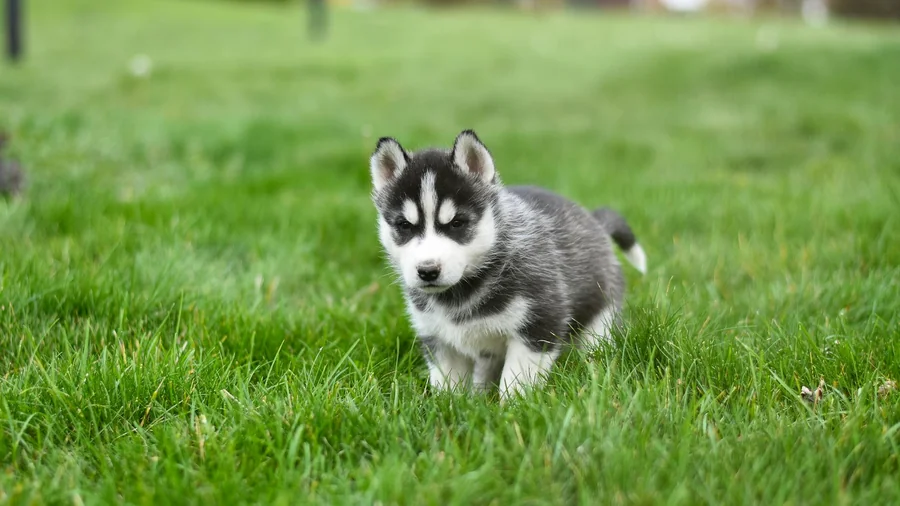
Very strong “prey drive” remaining from period when they did small hunting in Siberia. Can pose risk to cat, bird or hamster at home. Husky-cat combinations introduced in puppyhood can go well but no guarantee. Even when not aggressive, can start chasing when seeing small dog in park. Walking off-leash isn’t even subject of negotiation for this breed.
8Can’t be alone — social breed.
Husky was produced to live in sled team. Loneliness isn’t natural state for it. Husky left alone for 8 hours probably: tears furniture, drives neighbors crazy by howling, develops separation anxiety. Solution either second dog, or visitor during day, or daily care home. Single-person working home not for Husky.
9Health risks: glaucoma, hip dysplasia, inguinal hernia.
Eye problems particularly common in Husky — hereditary glaucoma in advanced stage can lead to blindness. Hip dysplasia, while lower than large breeds, exists. Another problem hypothyroidism. Annual eye examination and parent inquiry with hip score must be done. Vet health budget should be planned 8,000-15,000 TL annually.

10Talkative and vocal — neighbors should know.
Howling, “talking” (howling conversation), whining are part of Husky’s communication language. “I don’t love you” video is funny, listening every day while neighbor brings down laundry isn’t funny. Owning Husky in apartment requires serious neighbor diplomacy. May need to consider soundproof insulation.
11Lifespan 12-15 years — but in good conditions.
Husky considered solid breed; well-fed, stress-free and heat-protected Husky can live 14-15 years. But Huskies in wrong climate, with insufficient exercise, badly fed get obesity, heart problems and joint problems and lifespan can drop to 10-11. Long commitment; if ready to reorganize lifestyle for this dog, accept.
In conclusion,
Husky is one of Instagram’s most dangerous breeds. Before being deceived by those beautiful looks and bringing home, answer these questions: Can I run 2 hours a day? Do I have air conditioning at home? Do I have 2-meter secure fence / park strategy? Won’t my neighbors complain about howling? If you have clear “no” to even one of these questions right now, Husky is candidate to upset both you and itself. Finding breed suitable to Turkey climate and your lifestyle with breed compatibility test is much healthier start.
Frequently Asked Questions
Husky Türkiye'nin sıcak iklimine uyum sağlayabilir mi?
Kısmen. Klimalı bir evde yaşayan, yazın gündüz saatlerinde dışarı çıkarılmayan (07:00 öncesi ve 21:00 sonrası yürüyüş), suya her zaman erişebilen bir Husky Türkiye'de yaşayabilir. Ancak tüy kesilmemeli — paradoksal olarak kürk sıcaktan da yalıtır. Akdeniz ve Güneydoğu iklimi bu ırk için uygun değil; İstanbul, Ankara gibi daha ılıman bölgelerde uyum daha kolay.
Apartmanda Husky bakılabilir mi?
Teknik olarak evet, ancak egzersiz ihtiyacını karşılamak çok zor. Günde minimum 2 saat koşu veya bisiklet eşliğinde egzersiz, hafta sonları uzun yürüyüşler gerekiyor. Ayrıca Husky'nin ulumaları komşuları rahatsız eder, ses yalıtımı önemlidir. Evden uzun süre ayrı kalan sahipler için uygun değil; ideal Husky sahibi aktif, evde çok vakit geçiren veya ikinci köpekli birisi.
Husky tasmasız gezdirilebilir mi?
Hayır, asla. Husky'nin 'geri çağırma' komutu neredeyse hiç güvenilir değil — eğitimli bir Husky bile bir tavşan gördüğünde tüm eğitimini bir anda unutabilir. Tasmasız park alanları bile riskli. Uzun iple eğitim yapılabilir ama tamamen serbest bırakmak her ırk için güvenli değil, Husky için kesinlikle değil. Kaçıp kaybolan Husky sayısı Türkiye'de en yüksek ırklardan.
Husky kedi ile birlikte yaşayabilir mi?
Riskli ama mümkün. Husky'nin av içgüdüsü güçlüdür; yavrulukta tanıştırılan Husky-kedi çiftleri genellikle uyumlu olabiliyor ama garanti yok. Yetişkin bir Husky'yi kedisi olan bir eve getirmek çok yüksek risk. Eğer ikisi birlikte yaşayacaksa: kedinin erişebildiği yüksek noktalar mutlaka olmalı, ilk etkileşimler yakın denetim altında ve kısa süreli olmalı.
Türkiye'de Husky fiyatı nedir?
2026 itibarıyla soy belgeli, göz ve kalça kontrolü yapılmış bir Husky yavrusu Türkiye'de 25.000-65.000 TL arasında. Mavi gözlü veya renkli gözlü (heterokromi) yavrular biraz daha pahalı. 5.000-10.000 TL Husky ilanlarının büyük çoğunluğu test yapılmamış, genetik sorunlu üretimlerden. Ayrıca Husky sahiplenme istatistiklerine göre Türkiye'de barınaklarda iade edilmiş Husky oranı yüksek — önce sahiplenme yolunu da düşünmeye değer.