
Dry Food or Wet Food? Comparison in 9 Points
Dry food or wet food? 9-point scientific comparison: moisture, protein quality, dental health, cost and hybrid feeding approach. 2026 guide for cats and dogs.
 Bekir Aydoğan
4 May 2026
4 min read
Bekir Aydoğan
4 May 2026
4 min read
AI-Powered
AI Summary — No time to read? Get the gist in 30 seconds.
In comparing dry vs. wet food, each has its strengths. Wet food's moisture content (75-85%) gives a hydration advantage and leads in protein quality preservation and palatability. Dry food has the edge in calorie density, dental scraping effect, storage convenience and cost. For cats, wet food is recommended for kidney protection; for large dogs, dry food is practical. The most common veterinary recommendation is hybrid feeding — wet in the morning, dry in the evening.
The wall in front of you at the pet store is divided in two: dry food bags on one side, wet food cans on the other. Which is better? There are vets saying “sir mix both,” some say “only dry,” others say “only wet.” Actually the right answer; varies according to your dog or cat’s age, health condition and lifestyle. Here is a scientific comparison in 9 critical points.
1Moisture content — wet food’s clear advantage.
Dry food’s moisture content is between 6-10%, while in wet food it’s 75-85%. This difference is not simple, it’s vital: cats especially are animals with low water-drinking instinct — a dehydrated cat is prone to kidney problems. A cat eating dry food needs to drink 250-300 ml of water a day; most can’t do this. Wet food naturally fills this gap, providing important contribution to urinary system health.
2Calorie density — dry food wins.
Looking at the same 100g measure, dry food is approximately 350-400 kcal, wet food contains 80-100 kcal. So feeding a large breed dog with only wet food is not economical — 2 kg of wet food a day might be needed. No problem for small breeds and cats but hybrid feeding is practical in large breeds. Calorie counting is easier to track with dry food.
3Dental health — dry food advantageous, though exaggerated.
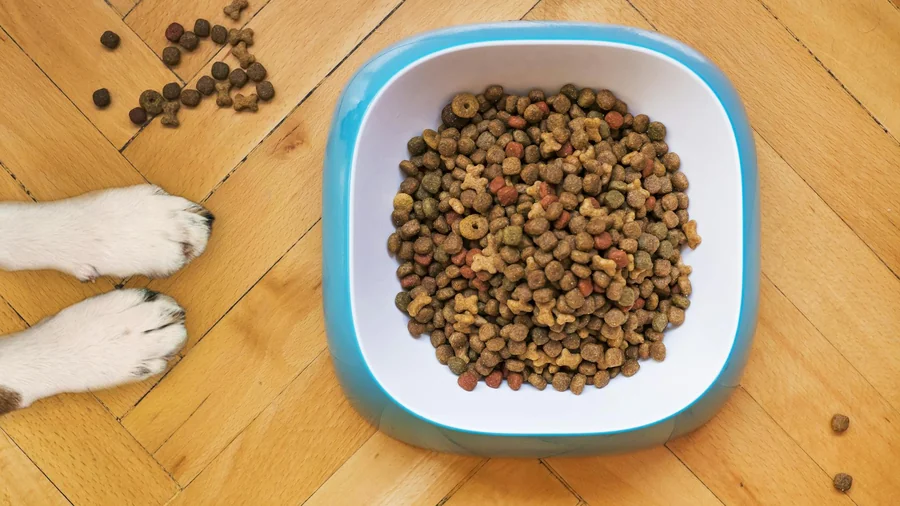
The cliché “dry food cleans teeth” is half true. Flat, ball-shaped dry food doesn’t touch teeth, doesn’t create scraping effect. Special “dental” formula foods, with their large and fibrous structure, actually create tooth-scraping effect. Wet food, by remaining on tooth surface, accelerates plaque formation. Despite this, dental health is mainly preserved with brushing and regular vet check.
4Protein quality — wet food higher.
Because wet food’s processing time is short, protein structure is more preserved. Dry food, going through high-heat “extrusion” process, suffers some amino acid damage. Premium dry foods compensate these losses but at economic level dry foods, the difference is felt. Wet food is generally recommended for recovery of sick or elderly animals.
5Digestive system tolerance — varies individually.
Some dogs and cats digest wet food better; in some, the opposite is true. For sensitive stomachs, gentle transition is important — food change should be done slowly within 7-10 days. Sudden change of entire diet causes vomiting and diarrhea. In cats, transition from wet to dry can be harder — some cats prefer wet food throughout their lives.

6Storage convenience — dry food wins easily.
Dry food can be stored 6-8 weeks open package, 3 months in airtight container. Wet food can in fridge 2-3 days when opened; must be discarded after. Dry food is practical when traveling; wet food is heavy and risks spoilage when opened. If you want to leave food in bowl during day’s busy hours, dry food is safe choice — wet food spoils in 2-3 hours.
7Cost — dry food economical.
For same calories, wet food is approximately 3-5 times more expensive. Monthly dry food cost for 10 kg dog averages 1000-2000 TL while same nutrition with wet food rises to 4000-6000 TL. This difference is important in 2026 Turkey conditions. Hybrid solution makes sense for most families — main meal dry, several wet food cans per week as reward/extra.
8Palatability — wet food wins.
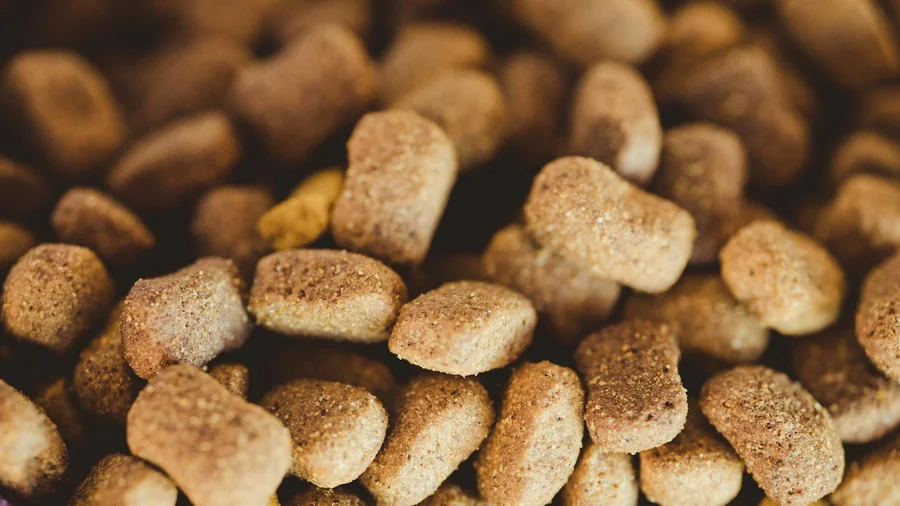
Vast majority of cats and dogs prefer wet food — perceive it as more “meaty” in scent and texture. When aging or sick animals struggle to eat dry food, wet food is used as appetite stimulant. Softening dry food with hot water is occasional solution; method recommended for older animals with dental problems.
9Hybrid approach — most common vet recommendation.
2026 vet consensus: morning wet, evening dry (or vice versa) combination. So dry food’s economy and dental health advantage merges with wet food’s hydration and protein quality advantage. Portion calculation requires some attention but is practical. Senior cats especially benefit from this method. It’s possible to set up an ideal equation for Caramel.
To wrap it all up:
Dry or wet? Answer: what suits your animal. For senior cats with kidney problems wet food is clear winner; if economic conditions are tight, quality dry food is also acceptable. Ideal is a hybrid feeding where both find place in tables. Independent of food type, most critical rule: quality brand, real meat first on label, appropriate portion and regular vet check. Pamuk’s bowl is the beginning of his 15-year story.
Frequently Asked Questions
Kedime sadece kuru mama verebilir miyim?
Verebilirsiniz ancak su içme durumunu yakından takip etmelisiniz. Kediler doğal olarak su içme içgüdüsü düşük olan hayvanlar; kuru mama diyeti üriner sistem sorunlarına yol açabiliyor. Su fıskiyesi kullanmak, birden fazla su kabı yerleştirmek ve haftada en az 2-3 kez ıslak mama vermek riski azaltıyor. Özellikle 7 yaş üstü kediler için ıslak mama önerilir.
Köpeğime günde kaç kez ıslak mama verebilirim?
Yetişkin bir köpek için günlük 1-2 öğün ıslak mama uygundur; kalan öğünler kuru mama veya tamamlayıcı besinlerle dengelenmeli. Yavru köpekler için büyüme aşamasında ıslak mama oranı daha yüksek olabilir. Toplam günlük kalori ihtiyacı aşılmadığı sürece tür karışımı sorun yaratmıyor. Porsiyon için mama hesaplayıcı aracını kullanın.
Kuru mama köpeğin dişlerini gerçekten temizler mi?
Sıradan kuru mama için bu iddia abartılı. Ancak 'dental' formül adı altında satılan büyük, lifli yapıda özel mamalar sıyırma etkisi yaratabiliyor. Gerçek diş sağlığı fırçalama, dental ödüller ve düzenli veteriner diş bakımıyla sağlanıyor. Kuru mama, diş sağlığı için ana çözüm değil tamamlayıcı unsur.
Islak mama kuru mamadan daha mı sağlıklı?
Hayvanınıza göre değişir. Islak mama nem ve protein kalitesi açısından avantajlı; özellikle yaşlı, hasta ve üriner sistem hassasiyeti olan hayvanlar için öneriliyor. Sağlıklı ve aktif bir yetişkin hayvan için kaliteli kuru mama da yeterli. 'Daha sağlıklı' ikili bir seçim değil — kalite ve uyum tek kriter.
Mama türünü değiştirirken ne yapmalıyım?
Aniden tam değişim kusma ve ishale yol açabilir. 7-10 günlük geçiş süreci şart: ilk 3 gün eski mamanın yüzde 75'i + yeni mamanın yüzde 25'i, sonraki 3 gün yüzde 50-50, son 4 gün yüzde 25-75, 10. günden sonra tamamen yeni mama. Kediler için bu süreç bazen 2-3 haftaya kadar uzayabiliyor.